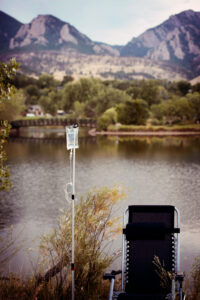
Liquid I.V. and similar electrolyte drinks can provide oral fluid and electrolytes, but they do not cure a hangover or speed alcohol metabolism. IV therapy also does not cure a hangover or create a guaranteed recovery time.
The safest next step depends on the person’s symptoms. Some situations call for rest and oral fluids; signs of alcohol poisoning or another emergency require immediate care.
What contributes to hangover symptoms
Alcohol can affect sleep, the stomach, coordination, judgment, and fluid balance. A headache, nausea, weakness, or poor concentration after drinking can have more than one cause.
Hydration may address fluid intake, but it does not remove alcohol from the body faster or address every reason a person feels unwell.
What an electrolyte drink can do
An electrolyte drink supplies oral fluid and selected electrolytes. Read the label for sugar, sodium, caffeine, and other ingredients, especially if a health condition or medication affects what you should consume.
If you can drink and keep fluids down, oral hydration is often the simpler first step. Take small amounts as tolerated and follow medical advice that applies to you.
Start with simple, lower-risk steps
Stop drinking alcohol, rest, and use oral fluids if you can keep them down. Do not drive, operate equipment, swim alone, or make safety-sensitive decisions while impaired.
Do not use more alcohol as a treatment. Be cautious with medicine because alcohol can interact with common prescription and over-the-counter products. Ask a pharmacist or clinician when you are unsure.
Know the emergency signs
Call 911 for trouble waking, slow or irregular breathing, seizure, confusion, blue or pale skin, repeated vomiting, or another sign of possible alcohol poisoning.
Stay with a person who may have alcohol poisoning and follow emergency instructions. A wellness appointment is not an alternative to emergency care.
What a provider can review
A licensed healthcare professional can review current symptoms, medical history, medications, oral intake, hydration concerns, and risks. The provider may direct the patient to urgent or emergency care or decline an IV service.
If medication or an IV ingredient is considered, ask why it fits, what risks apply, and what alternatives are available. A patient-specific review matters more than the name of a hangover package.
IV therapy risks and clear limits
IV therapy has potential risks and side effects, including bruising or discomfort at the injection site, allergic reactions, infection, and electrolyte imbalances. Before providing IV therapy, a licensed healthcare professional reviews the patient’s health history and determines whether the service is appropriate.
A consultation does not guarantee an IV, medication, symptom relief, or a faster recovery. Neither an electrolyte drink nor an IV makes it safe to drive sooner.
Planning ahead
- Set a transportation plan before drinking.
- Eat and use nonalcoholic fluids as appropriate.
- Know the signs that require emergency help.
- Do not combine alcohol and medicine without checking the risk.
- If symptoms are concerning, choose medical care over a wellness appointment.
Questions for Awaken IV
For stable, nonemergency concerns, contact Awaken IV in Boulder and describe the symptoms before arrival. Ask what the provider will review and what the proposed service contains. The provider will decide whether an IV is appropriate.
Review Awaken IV’s current IV service options and provider-led approach. The service page explains what is available; the licensed healthcare professional makes the patient-specific decision.