Weekend Warrior Syndrome: Why Recovery Matters More After 35
You sit at a desk Monday through Friday. Then Saturday morning, you’re on a mountain bike. Sunday afternoon, you’re crushing a long trail run, a hike with the dog, or 18 holes of golf. Maybe both.
This is the weekend warrior pattern and it’s the lifestyle of millions of active adults, especially in Boulder, where outdoor recreation is part of the culture.
For most of your 20s and early 30s, this pattern worked. You played hard, slept it off, and were ready for Monday.
But somewhere around 35, things start to change. Soreness lingers longer. Energy takes more time to return. Old injuries flare up. The Monday after a big weekend feels harder than it used to.
Welcome to the reality of weekend warrior syndrome after 35 and why recovery now matters as much as the activity itself.
Key Takeaways
- Weekend warrior syndrome describes the high-activity weekend, low-activity weekday pattern common in active adults
- After 35, the body needs more deliberate recovery to keep up with the same level of physical demand
- Inadequate recovery is one of the leading contributors to weekend warrior injuries
- Sleep, hydration, nutrition, and stress management directly affect recovery capacity
- Smart recovery is what allows active adults to keep training, exploring, and competing for the long run
What Is Weekend Warrior Syndrome?
The term “weekend warrior” describes someone who fits most or all of their physical activity into one or two days per week typically Saturday and Sunday.
It is not a flaw. For many adults with demanding jobs and family responsibilities, the weekend is simply when there is time to ski, mountain bike, hike, climb, play pickleball, or go for that long trail run.
The problem isn’t the pattern itself. Research actually suggests that even concentrated weekend exercise can deliver meaningful health benefits compared to a sedentary lifestyle. The problem is what happens around the activity particularly after 35, when the body becomes less forgiving of the recovery shortcuts it tolerated in younger decades.
Why the Weekend Warrior Pattern Becomes Risky After 35
Five days of mostly sitting, followed by one or two days of high-intensity activity, places a particular kind of stress on the body. Tissues that haven’t moved much suddenly have to perform. Cardiovascular systems that have been idling suddenly redline.
In your 20s, the body absorbed this pattern with relative ease.
After 35, several physiological shifts begin to make this harder:
- Muscle elasticity decreases
- Connective tissue becomes more vulnerable
- Inflammatory responses take longer to resolve
- Cellular repair slows down
- Sleep quality often declines
- Recovery hormones shift
These changes don’t mean you have to stop being a weekend warrior. They mean you need to think about exercise recovery over 35 in a more intentional way than you did at 25.
The Science: Why Recovery Slows With Age
Recovery is the body’s process of repairing tissue, replenishing energy stores, and adapting to the stress of physical activity. After 35, this process doesn’t stop it simply requires more support.
Several factors influence this:
- Reduced cellular repair efficiency. The body’s ability to repair muscle and connective tissue gradually slows.
- Hormonal changes. Growth hormone, testosterone, and other recovery-related hormones shift over time.
- Inflammation. Older bodies often experience higher baseline inflammation, which can interfere with recovery.
- Hydration sensitivity. Dehydration affects performance and recovery more noticeably as adults age.
- Sleep quality. Deep sleep the most restorative stage tends to decrease with age.
Research published through the National Institutes of Health highlights how exercise recovery becomes increasingly important for active adults as they age, particularly for those who engage in intermittent high-intensity activity.
The good news? Most of these factors remain highly influenced by daily lifestyle choices.
Why Recovery Changes After 35
The contrast between how recovery feels in your 20s versus after 35 is one of the clearest signs that your body is adapting to time.
| Recovery Factor | In Your 20s | After 35 |
|---|---|---|
| Muscle Soreness | Resolves within a day | May linger 2–4 days |
| Sleep Recovery | Bounces back easily | Disrupted more easily |
| Hydration Needs | Easier to manage | Require more attention |
| Injury Risk | Lower with similar effort | Higher without preparation |
| Energy Return | Often same-day | May take 24–48 hours |
Recognizing these shifts is the first step. The next step is responding to them with smarter habits.
The Most Common Weekend Warrior Mistakes After 35
Many active adults unknowingly sabotage their own recovery. The most common patterns behind weekend warrior injuries include:
- Going hard on Saturday and harder on Sunday with no buffer day
- Sitting all week with little to no movement
- Skipping warm-ups before high-intensity activity
- Underestimating hydration needs at altitude
- Sacrificing sleep to fit more into the weekend
- Ignoring nutrition before and after big efforts
- Dismissing minor aches that signal early injury
These mistakes often produce a familiar cycle strong weekend, brutal Monday, sluggish week, and another aggressive weekend trying to make up for lost time.
Breaking that cycle is what protects long-term performance and supports injury prevention after 35.
How to Recover Smarter, Not Just Harder
Smart weekend warrior recovery is built on a small number of habits applied consistently:
- Move during the week. Even short walks, mobility work, and light strength sessions help the body stay ready.
- Warm up properly. A 5–10 minute warm-up before high-intensity activity dramatically reduces injury risk.
- Hydrate before, during, and after activity. Don’t wait until you feel thirsty.
- Prioritize sleep over weekend nightlife. Recovery happens primarily during deep sleep.
- Eat for recovery. Protein and balanced nutrition support tissue repair.
- Build in active recovery days. Easy movement on off days outperforms total rest for most active adults.
These habits don’t require dramatic lifestyle changes. They require consistency which becomes the new performance edge after 35.
The Role of Hydration in Weekend Recovery
Hydration is one of the most overlooked recovery tools for weekend warriors.
In Boulder, hydration becomes especially important. Altitude accelerates fluid loss. Dry air pulls moisture from the body throughout the day. Outdoor activity adds intense sweat loss on top of that.
For active adults after 35, even mild dehydration can amplify fatigue, prolong soreness, reduce performance, and slow recovery between sessions.
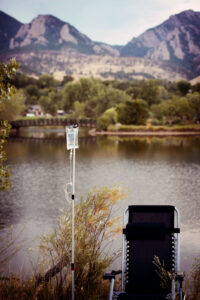
For individuals seeking additional hydration support after demanding weekend activities, IV therapy in Boulder is sometimes explored as part of a broader recovery strategy.
Sleep: The Most Underrated Recovery Tool
Sleep is where the body does most of its real recovery work. Tissue repair, hormonal regulation, immune function, and nervous system recovery all happen primarily during sleep.
After 35, sleep quality often becomes more fragile. Stress, alcohol, screens before bed, and irregular schedules common features of busy adult life all chip away at the deep sleep that drives recovery.
For weekend warriors, this matters even more. A massive Saturday paired with a short, alcohol-influenced Saturday night sets up Sunday for diminished performance and Monday for increased fatigue.
Protecting sleep is one of the highest-leverage things active adults can do to support post-workout recovery after 35.
Can Targeted Wellness Strategies Support Active Adults?

Foundational habits movement during the week, smart warm-ups, hydration, sleep, nutrition remain the most important factors for recovery for active adults.
That said, many adults explore additional wellness approaches to support those foundations. Depending on personal goals, options may include:
- Peptide therapy aligned with recovery, performance, or active aging goals
- NAD+ therapy as part of a cellular energy and recovery strategy
- Vitamin booster injections for targeted nutritional and energy support
- IV hydration protocols after demanding outdoor sessions
- Lifestyle optimization focused on sleep, stress, and consistency
These tools are typically pursued alongside not instead of strong recovery habits. They work best when the foundations are already in place.
Building a Sustainable Active Lifestyle After 35
The goal isn’t to stop being a weekend warrior. The goal is to be one for the next 30 years.
Adults who continue to ski, climb, ride, run, and explore well into their 50s, 60s, and beyond aren’t lucky. They’ve simply learned to treat recovery as part of the activity not an afterthought.
That shift in mindset is what separates the active adults who slow down from the ones who keep going.
Bringing It All Together
Weekend warrior syndrome isn’t really a problem of activity. It is a problem of recovery.
After 35, the same lifestyle that worked at 25 demands more deliberate care. Hydration, sleep, smart warm-ups, mid-week movement, and intentional recovery habits become the difference between thriving as an active adult and constantly battling soreness and injury.
The body still wants to go. It just needs better support to keep going. If you would like to explore how personalized wellness strategies might fit into your recovery routine, working with a knowledgeable team can be a helpful next step.
FAQs
What is weekend warrior syndrome?
Weekend warrior syndrome describes a pattern where most of a person’s physical activity occurs over one or two days per week typically the weekend with limited movement during the workweek.
Is being a weekend warrior bad for you?
Not inherently. Concentrated weekend exercise can offer significant health benefits compared to inactivity. However, the pattern carries higher injury risk and recovery demand, especially after 35.
Why is recovery harder after 35?
After 35, cellular repair, hormonal regulation, sleep quality, and inflammation responses begin to shift. These changes mean the body needs more deliberate support to recover from intense physical activity.
How can I prevent weekend warrior injuries?
Warming up properly, staying active during the week, hydrating consistently, prioritizing sleep, and respecting early warning signs from the body are among the most effective prevention strategies.
How can I learn which wellness approach may fit my goals?
Our Peptide Therapy Quiz can help you explore wellness options based on your activity level, recovery needs, and personal goals.
What if I would like personalized guidance?
Every active adult has different recovery needs and performance goals. If you would like more personalized support, you can contact our team to discuss your situation and explore available options.