The Science of Healthy Aging: What Actually Changes After 35?
Most people notice the first subtle signs of aging somewhere in their mid-30s. A slower recovery after a tough workout. Energy that doesn’t bounce back the way it used to. Less progress for the same training effort. Sleep that feels lighter and less restorative.
These shifts are not random, and they are not in your head.
After age 35, the body begins a series of biological changes that quietly reshape how it produces energy, repairs itself, regulates hormones, and maintains muscle mass. None of these changes happen overnight, and many are not visible. But over time, they influence nearly every aspect of how you feel, perform, and age.
Understanding the science of healthy aging gives you something more valuable than another generic wellness tip. It gives you clarity about what is actually changing inside your body, and what you can do about it.
Key Takeaways
- The aging process begins to accelerate in subtle ways after age 35
- Mitochondrial function, hormonal balance, and recovery capacity all begin to shift
- NAD+ levels decline with age, affecting cellular energy production
- Lifestyle choices significantly influence how the body ages
- Healthy aging strategies work best when grounded in the science of how the body actually changes
Why 35 Is a Turning Point in the Aging Process

The age of 35 is not a magic number, but it does represent a meaningful biological threshold for most adults. Many of the systems that operate efficiently in your 20s start to shift in measurable ways during the mid-30s.
This is when researchers begin to detect:
- A gradual decline in mitochondrial efficiency
- Slower cellular repair processes
- Subtle changes in hormone production
- Decreased recovery capacity after physical or mental stress
- Reduced collagen synthesis
- Early signs of muscle protein synthesis decline
None of these changes are dramatic individually. But together, they explain why aging after 35 feels different from aging in your 20s, even if the visible signs remain minimal.
The good news? Most of these processes respond to how you live. The science of healthy aging makes one thing clear: biology is not destiny.
The Body Doesn’t Decline All at Once. It Shifts.
One of the most useful insights from modern aging research is that the body does not decline uniformly. Different systems shift at different rates, and at different ages.
Some changes begin in your late 20s. Others accelerate in your mid-30s, your 40s, or beyond. This is why two people of the same age can have completely different biological profiles depending on lifestyle, genetics, and accumulated wear and tear.
The table below summarizes the major biological changes most adults experience starting in their mid-30s.
| System | What Changes |
|---|---|
| Mitochondrial Function | Cellular energy production gradually declines. |
| Hormonal Balance | Testosterone, estrogen, and growth hormone begin shifting. |
| Muscle Mass | Slower protein synthesis and the early stages of sarcopenia. |
| Recovery Capacity | Longer recovery times and reduced repair efficiency. |
| Cellular Health | NAD+ levels decline and oxidative stress increases. |
Each of these systems interacts with the others. A decline in mitochondrial function affects energy. Reduced energy affects exercise consistency. Less exercise affects muscle mass. Less muscle affects metabolism. The systems are connected, which is why supporting them in combination tends to produce better results than focusing on any single one.
Cellular Energy and Mitochondrial Function
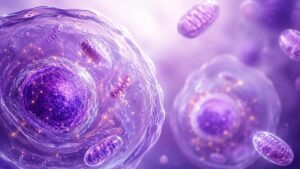
At the cellular level, energy is produced inside mitochondria. These are tiny structures inside your cells that convert nutrients into usable energy, primarily in the form of ATP.
After 35, mitochondrial function gradually declines. Cells produce less energy, and they generate more cellular byproducts that can contribute to oxidative stress.
Many adults experience this shift as:
- Less consistent energy throughout the day
- Slower physical and mental recovery
- Reduced exercise tolerance
- More noticeable fatigue after prolonged stress
- Greater sensitivity to poor sleep
Supporting mitochondrial health becomes one of the foundational priorities of any serious healthy aging strategy.
Hormonal Shifts That Begin in Your 30s and 40s
Hormones influence almost every aspect of how the body functions. Energy, mood, sleep, libido, muscle mass, fat storage, recovery, and cognitive performance are all hormonally regulated to some degree.
After 35, many of these hormones begin to shift gradually:
- Testosterone tends to decline slowly in both men and women
- Estrogen and progesterone fluctuate more in women, especially approaching perimenopause
- Growth hormone production decreases steadily
- Cortisol patterns can become less balanced
- Thyroid function may shift in subtle ways
These changes do not happen all at once. They often appear as small, accumulating differences over years. Sleep becomes less restorative. Workouts produce smaller gains. Stress recovery slows. Body composition shifts even when habits stay the same.
For those interested in approaches that align with these hormonal changes, some adults explore personalized wellness strategies including peptide-based protocols.
Muscle Mass and Recovery Capacity
Starting in the mid-30s, muscle mass begins to decline gradually unless you actively work to preserve it. This is the process known as sarcopenia, and it accelerates with age.
Recovery capacity also begins to change. The same workout that left you sore for one day at 25 may leave you sore for three days at 40. The same week of poor sleep that you bounced back from in your 20s may take significantly longer to recover from in your late 30s and beyond.
If you would like a deeper look at this topic, our article on preserving muscle mass while losing fat after 40 explores it in detail.
Skin, Collagen, and Connective Tissue
After 35, collagen production declines steadily. Collagen is the structural protein that supports skin, joints, tendons, and connective tissue.
This decline shows up gradually:
- Reduced skin elasticity
- More visible fine lines
- Slower wound healing
- Joints that feel stiffer or more reactive to stress
- Increased risk of soft tissue injuries
While skin changes get most of the attention, the structural impact on joints and connective tissue is often more important for long-term function and quality of life.
Cognitive Function and Mental Energy
The brain also begins to shift after 35, although the changes are typically subtle.
Most adults notice:
- Slightly slower recall of names or details
- Reduced tolerance for prolonged mental effort
- Greater sensitivity to poor sleep
- More variable focus and energy throughout the day
These shifts are not inevitable cognitive decline. They are normal age-related changes that respond strongly to sleep quality, exercise, nutrition, hydration, and stress management.
In other words, the brain is more resilient than most people assume, but it does require more deliberate care after 35.
The Role of NAD+ in Healthy Aging
One of the most studied molecules in aging science is NAD+, short for nicotinamide adenine dinucleotide. NAD+ is a coenzyme involved in hundreds of cellular processes, including energy production, DNA repair, and metabolic regulation.
Research suggests that NAD+ levels decline significantly with age, with measurable decreases often beginning in the 30s and 40s. This decline affects cellular function across nearly every tissue in the body.
Supporting NAD+ levels has become a central topic in modern healthy aging conversations. Some adults explore NAD+ therapy as part of a broader strategy to support cellular energy and metabolic function.
Can Targeted Wellness Strategies Support Healthy Aging?
Foundational habits remain the most important factors in how well someone ages. Sleep. Strength training. Quality nutrition. Hydration. Stress management. These are non-negotiable.
That said, many adults look for additional tools to support the underlying biology that shifts after 35. Depending on personal goals, some individuals consider:
- Peptide therapy tailored to specific health, recovery, or composition goals
- Vitamin booster injections for targeted nutritional support
- IV therapy in Boulder for hydration and recovery support
- NAD+ protocols for cellular energy support
- Lifestyle optimization strategies focused on sleep, training, and stress
These approaches are most effective when used alongside strong foundational habits, not as substitutes for them. For a deeper look at how recovery fits into all of this, our article on the connection between recovery and healthy aging provides additional context.
What You Can Actually Control After 35
The biological changes that begin after 35 are real, but they are not the full story. Lifestyle factors influence how those changes unfold to a greater degree than most people realize.
The areas with the most measurable impact include:
- Strength training and physical activity
- Protein intake and overall nutrition
- Sleep quality and duration
- Stress management
- Hydration
- Social and cognitive engagement
- Limiting chronic exposure to alcohol, processed foods, and inactivity
Small, consistent decisions across these areas accumulate over years. By the time someone reaches their 50s or 60s, the gap between people who supported these areas and people who ignored them is often dramatic.
Bringing It All Together
Healthy aging is not about reversing time. It is about understanding what is actually changing inside the body and responding intelligently.
After 35, mitochondria become less efficient. Hormones begin to shift. Muscle and collagen production slow. Recovery takes longer. NAD+ levels gradually decline. These are not opinions. They are well-documented biological realities.
But none of these changes happen in a vacuum. Lifestyle, training, nutrition, sleep, stress management, and personalized wellness strategies all influence how those changes unfold over time. The people who age well are not the ones who got lucky. They are the ones who paid attention earlier.
If you would like to explore how personalized wellness approaches may fit into your aging strategy, working with a knowledgeable team can be a helpful next step.
FAQs
What changes in the body after age 35?
After 35, the body experiences gradual shifts in mitochondrial efficiency, hormonal balance, muscle protein synthesis, recovery capacity, and cellular health, including a measurable decline in NAD+ levels.
Is 35 really when aging starts?
Aging is a continuous process, but 35 tends to be the age when many subtle biological shifts become more measurable. Most people start noticing slower recovery, changes in energy, and shifts in body composition around this time.
What is NAD+ and why does it matter for aging?
NAD+ is a coenzyme involved in cellular energy production, DNA repair, and metabolic regulation. NAD+ levels naturally decline with age, which is why it has become a major focus in healthy aging research.
Can lifestyle really slow down aging?
Yes. While aging cannot be stopped, factors like sleep, strength training, nutrition, hydration, and stress management have a significant influence on how the aging process unfolds over time.
How can I learn which wellness approach may fit my goals?
Our Peptide Therapy Quiz can help you explore wellness options based on your health goals, lifestyle, and recovery priorities.
What if I would like personalized guidance?
Every individual has different goals and starting points. If you would like more personalized support, you can contact our team to discuss your situation and explore available options.