How to Preserve Muscle Mass While Losing Fat After 40
Most people approach fat loss the same way at 25 as they do at 45. They cut calories, increase cardio, step on the scale, and watch the number go down.
But after 40, this approach often comes with a hidden cost: muscle loss.
For adults over 40, losing weight is rarely the real goal. Losing fat while preserving or even building muscle is what actually matters. The difference between those two outcomes can shape how strong, capable, and energetic you feel for the next several decades.
This is the foundation of body recomposition after 40, and it requires a completely different approach than the one that may have worked in your 20s or 30s.
Key Takeaways
- After 40, the body loses muscle more easily and rebuilds it more slowly
- Traditional weight loss strategies often sacrifice muscle along with fat
- Preserving muscle mass after 40 requires adequate protein, strength training, and recovery
- Body recomposition focuses on improving body composition, not just lowering the scale
- Muscle preservation influences metabolism, mobility, and long-term wellness
Why Muscle Loss Becomes a Bigger Concern After 40
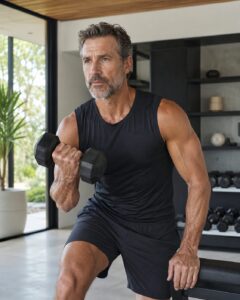
Starting in the mid-30s and accelerating after 40, the body undergoes a gradual process known as sarcopenia the age-related loss of muscle mass and strength.
Without intentional effort, most adults lose a meaningful percentage of their muscle mass each decade after 30, and that rate accelerates further with age.
This matters because muscle is far more than aesthetics. Muscle supports:
- Metabolic rate
- Insulin sensitivity
- Joint stability
- Bone health
- Functional strength
- Daily energy levels
- Long-term independence
Research from the National Institute on Aging highlights that maintaining muscle mass and strength is one of the most important factors in healthy aging and functional independence.
When fat loss strategies ignore muscle preservation, the long-term consequences can outweigh the short-term satisfaction of seeing a smaller number on the scale.
The Real Goal: Body Recomposition, Not Just Weight Loss
Most people focus on a single metric body weight. But after 40, body weight tells an incomplete story.
Two people can weigh the same amount and look, feel, and function completely differently depending on how much of that weight is muscle versus fat.
Body recomposition shifts the focus from “How much do I weigh?” to “What is my body made of?”
The goal becomes:
- Lower body fat percentage
- Preserved or increased lean muscle mass
- Improved strength
- Better metabolic health
- More energy and resilience
This is why losing fat without losing muscle should be the priority for anyone serious about fat loss after 40.
Why Muscle Mass Matters More Than the Scale
Muscle is metabolically active tissue. The more muscle you have, the more calories your body burns at rest making muscle preservation a powerful long-term ally in weight management.
But the benefits go far beyond metabolism. Stronger muscles protect joints and reduce injury risk. Muscle supports bone density, which becomes increasingly important after 40. Lean mass contributes to better posture, balance, and mobility. And strength is closely linked to long-term independence and quality of life.
Losing weight while losing muscle may produce a temporary win on the scale. But preserving muscle while losing fat produces a body that looks better, feels stronger, and ages better.
The Four Pillars of Muscle Preservation After 40
Successfully preserving muscle while losing fat depends on four foundational habits working together.
| Pillar | Why It Matters |
|---|---|
| Protein Intake | Provides the building blocks needed for muscle repair and preservation. |
| Strength Training | Signals the body to retain muscle during a caloric deficit. |
| Recovery | Allows muscle repair, adaptation, and growth between training sessions. |
| Hormonal & Metabolic Health | Influences how efficiently the body builds muscle and burns fat after 40. |
These pillars don’t function in isolation. Each one supports the others, and ignoring any single pillar can compromise the entire process.
Protein Intake: The Foundation
Protein is the single most important nutrient for muscle preservation while dieting.
After 40, the body becomes less efficient at using dietary protein to build and maintain muscle a phenomenon known as anabolic resistance. To overcome this, most adults benefit from a higher protein intake than they may have needed earlier in life.
Practical considerations often include:
- Spreading protein evenly across meals throughout the day
- Prioritizing high-quality protein sources
- Eating enough total protein based on body weight and activity
- Adjusting intake during periods of higher training volume
Adequate protein intake for muscle preservation isn’t optional after 40. It is the difference between a successful body recomposition and a frustrating cycle of weight loss followed by muscle loss.
Strength Training: Non-Negotiable After 40
You cannot diet your way to a strong, lean body after 40. You have to train.
Strength training after 40 sends a powerful signal to the body: “Keep this muscle we still need it.” Without that signal, the body has every reason to break down muscle tissue during a caloric deficit. With it, the body prioritizes burning fat while holding onto lean mass.
Effective strength training for muscle preservation typically includes:
- Compound movements like squats, deadlifts, presses, and rows
- Progressive overload over time
- Two to four sessions per week
- Sufficient intensity and effort
- Consistency over months and years
Cardio still has value, but for body recomposition after 40, strength training is the engine that drives results.
Recovery: Where Muscle Actually Grows

Muscle isn’t built during training. It is built during recovery.
After 40, recovery becomes both more important and more challenging. Sleep quality, hormonal shifts, increased life stress, and slower cellular repair all influence how well the body bounces back between training sessions.
Without adequate recovery, even the best training program can lead to stagnation, injury, or muscle loss. Recovery essentials include quality sleep, proper hydration, stress management, adequate rest days, and smart training programming.
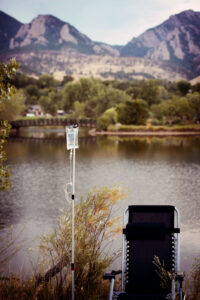
In Boulder, where altitude and active lifestyles can amplify physical demands, hydration becomes especially important. Some individuals explore IV therapy in Boulder as one way to support hydration and recovery between training sessions.
Hormonal and Metabolic Health
After 40, hormonal shifts directly affect how the body builds muscle and loses fat.
Testosterone, growth hormone, estrogen, and thyroid function all play roles in body composition. As these hormones change with age, body recomposition becomes more complex than it was a decade or two earlier.
This is why many adults turn their attention to optimizing the underlying systems that influence muscle preservation and fat loss including cellular energy production, recovery capacity, and metabolic health.
Can Targeted Wellness Strategies Support Muscle Preservation?
Foundational habits protein, strength training, recovery, sleep remain the most important factors for preserving muscle while losing fat after 40.
That said, many adults explore additional wellness approaches to support those foundations. Depending on personal goals, some individuals consider:
- Peptide therapy tailored to body composition, recovery, or performance goals
- NAD+ therapy to support cellular energy and metabolism
- Vitamin booster injections for targeted nutritional and amino acid support
- IV hydration protocols to support training recovery
- Lifestyle optimization strategies focused on sleep and stress
These tools are typically pursued alongside not instead of consistent training, balanced nutrition, and adequate recovery. They work best when the foundations are already in place.
Common Mistakes That Sabotage Muscle Preservation After 40
Even motivated adults can undermine their results without realizing it. Some of the most common mistakes include:
- Cutting calories too aggressively
- Skipping strength training in favor of cardio
- Eating too little protein
- Underestimating recovery needs
- Chasing rapid weight loss instead of sustainable change
- Ignoring sleep quality
- Comparing progress to people in their 20s
Avoiding these mistakes often matters more than adding new strategies. The fundamentals are simple they just need to be applied consistently.
Sustainable Body Recomposition Takes Time
Real body recomposition after 40 is a long game. Visible changes typically take months, not weeks. But the changes that do occur tend to be more sustainable, more functional, and more lasting than the rapid weight loss strategies popular at younger ages.
Patience matters. So does consistency. So does treating this as a long-term investment in your body rather than a short-term project.
Bringing It All Together
Preserving muscle while losing fat after 40 isn’t about finding the perfect diet or the trendiest workout program. It is about understanding what the body needs at this stage of life and providing it consistently.
Adequate protein. Strength training. Quality recovery. Attention to hormonal and metabolic health. And patience.
When these foundations are in place, the body responds even after 40. Fat loss becomes possible without sacrificing the muscle that makes everyday life feel good. If you would like to explore how personalized wellness strategies might fit your body recomposition goals, working with a knowledgeable team can be a helpful next step.
FAQs
Can you really build muscle after 40?
Yes. While the process becomes slower and requires more intentional effort, adults over 40 can absolutely build muscle with consistent strength training, adequate protein, and proper recovery.
How much protein do I need to preserve muscle after 40?
Protein needs vary by individual, but most active adults over 40 benefit from a higher protein intake than general recommendations suggest. Spreading protein across meals is often more effective than concentrating it in one or two sittings.
Is cardio bad for muscle preservation?
Not necessarily. Cardio supports cardiovascular health and recovery. However, when fat loss is the goal, prioritizing strength training over excessive cardio typically produces better body composition results after 40.
How long does body recomposition take after 40?
Body recomposition is a gradual process that typically unfolds over months. Visible changes may take longer than they did at younger ages, but the results tend to be more sustainable.
How can I learn which wellness approach may fit my goals?
Our Peptide Therapy Quiz can help you explore wellness options based on your health goals, lifestyle, and recovery priorities.
What if I would like personalized guidance?
Every individual has different goals and starting points. If you would like more personalized support, you can contact our team to discuss your situation and explore available options.