
IV Therapy
The Science of Healthy Aging: What Actually Changes After 35? Most people notice the first subtle signs of aging somewhere in their mid-30s. A slower
The Science of Healthy Aging: What Actually Changes After 35? Most people notice the first subtle signs of aging somewhere in their mid-30s. A slower
Weekend Warrior Syndrome: Why Recovery Matters More After 35 You sit at a desk Monday through Friday. Then Saturday morning, you’re on a mountain bike.

How to Preserve Muscle Mass While Losing Fat After 40 Most people approach fat loss the same way at 25 as they do at 45.

The Hidden Connection Between Recovery and Healthy Aging When most people think about aging, they focus on what they see in the mirror. Wrinkles, gray

Recovery After 40: Why You Feel Sore Longer Than You Used To Many active adults notice something frustrating as they get older. The workout itself

Why Is It Getting Harder to Maintain Muscle After 40? Many adults notice a frustrating change as they move through their 40s and beyond. The

Why More High Performers Are Turning to IV Therapy for Recovery and Focus Many people today are performing at a high level while quietly running

Can Peptide Therapy Help with Fatigue, Recovery and Daily Energy? Fatigue can be frustrating when it does not have one clear explanation. Some people feel

Best IV and NAD+ Therapies for Energy, Focus, and Performance Feeling tired, unfocused, or mentally drained can affect much more than productivity. For many people,

Does NAD+ IV Therapy Really Help with Brain Fog and Energy? Brain fog can feel difficult to explain. Some people describe it as mental heaviness.

Does IV Therapy Really Help with Fatigue and Low Energy? What to Expect Feeling constantly tired has become one of the most common wellness complaints

Brain Fog and Fatigue Every Day: Could Dehydration Be the Reason? Some people describe it as feeling mentally “slow.” Others notice difficulty concentrating, low motivation,

Does IV Therapy Really Help with Fatigue and Low Energy? What to Expect Feeling tired all the time is no longer something unusual. It has

Brain Fog and Fatigue Every Day: Causes and What You Can Do Struggling to think clearly while feeling constantly tired can be frustrating. Many individuals

Why Am I So Tired All the Time Even Though I Sleep? Causes and Real Solutions Sleeping enough does not always mean feeling rested. Many

Why Am I Always Tired? Understanding Energy, Fatigue and Recovery Feeling tired from time to time is normal. However, when low energy becomes constant, it

IV Therapy vs Oral Supplements: What Works Better for Hydration and Nutrient Absorption? When looking to support hydration, energy, or overall wellness, many people turn

Peptide Therapy vs NAD+ Therapy: What Is the Difference and Which Is Right for You? As interest in advanced recovery and performance therapies continues to
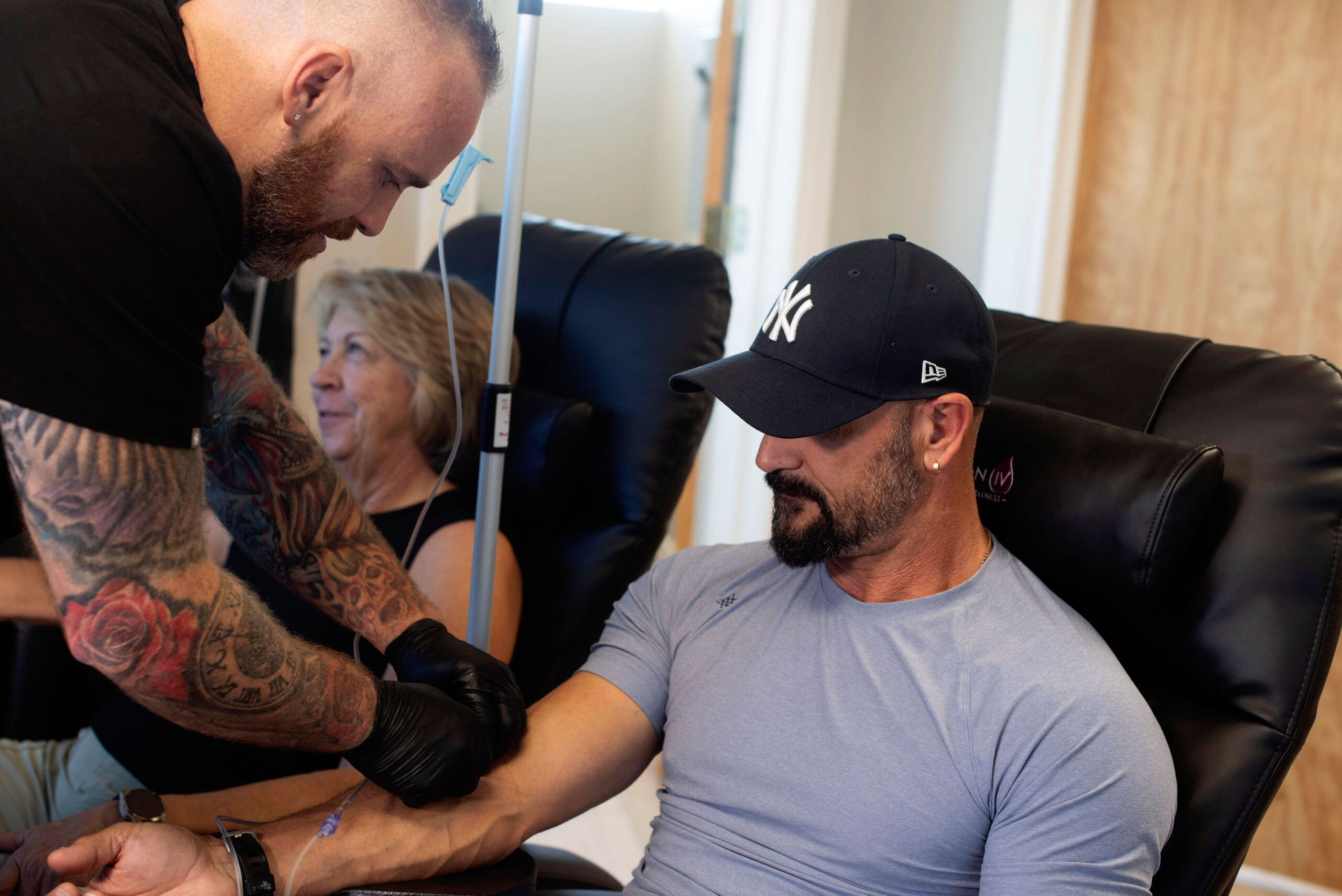
NAD+ Therapy vs IV Therapy: What Is the Difference and Which Do You Need? When exploring ways to support energy, recovery, or overall wellness, many

What to Expect from NAD+ IV Therapy in Boulder: Process, Safety and Results When considering a new approach to energy, recovery, or overall wellness, one