The Hidden Connection Between Recovery and Healthy Aging
When most people think about aging, they focus on what they see in the mirror. Wrinkles, gray hair, changes in body composition. These are natural parts of life, but they are not the most important indicators of how well someone is aging.
Many health professionals now view aging through a different lens: function. Can you stay active? Maintain your energy? Recover from physical demands? Continue doing the activities you enjoy? These questions matter far more than appearance, and they all share one common factor — recovery.
Recovery is how the body repairs, adapts, and restores itself after physical activity, stress, poor sleep, illness, or the everyday demands of life. In many ways, recovery is what allows people to remain resilient as the years pass.
Understanding the connection between recovery and healthy aging may help explain why some people continue thriving well into their later years while others begin experiencing fatigue, reduced mobility, and declining performance much earlier. For anyone interested in aging well after 40, this connection deserves a closer look.
Key Takeaways
- Recovery plays a major role in healthy aging and long-term resilience
- Sleep, hydration, nutrition, and stress management directly influence recovery capacity
- Recovery affects energy, mobility, mental clarity, and overall wellness
- Supporting recovery may help maintain an active lifestyle over time
- Healthy aging focuses on function and quality of life, not just appearance
What Does Healthy Aging Really Mean?
Healthy aging is not simply about living longer. It is about maintaining the ability to enjoy life as the years pass — what many experts now refer to as active aging.
For most adults, healthy aging includes:
- Staying physically active
- Preserving strength and mobility
- Maintaining mental clarity
- Supporting consistent energy levels
- Remaining independent
- Recovering efficiently from daily demands
The goal is not perfection. The goal is preserving function and quality of life for as long as possible. This perspective shifts the conversation away from appearance and toward overall resilience — which is exactly where modern healthy aging strategies tend to focus.
Recovery Is How the Body Adapts

Every day, the body encounters stress. Some of it is beneficial.
Exercise challenges muscles. Work demands mental focus. Outdoor activities place demands on endurance systems. The body responds to all of these by adapting — and that adaptation happens during recovery.
When recovery is adequate, the body can:
- Repair tissues
- Replenish energy stores
- Support hormone regulation
- Restore nervous system balance
- Prepare for future challenges
Without sufficient recovery, the body struggles to fully adapt to these demands. Over time, this can contribute to fatigue, reduced performance, and slower resilience. In other words, recovery is one of the core mechanisms that makes healthy aging possible in the first place.
Why Recovery Naturally Changes With Age
As we grow older, recovery processes often become less efficient. This does not mean the body stops adapting — it simply means recovery may require more support than it did in earlier decades.
Several factors may contribute:
- Changes in sleep quality
- Increased oxidative stress
- Altered hormone signaling
- Reduced cellular repair efficiency
- Higher cumulative stress exposure
- Lifestyle and environmental demands
Many adults notice these shifts in subtle ways. Workouts may require longer recovery periods. Energy may fluctuate more easily. Stress may feel harder to overcome. Minor aches may linger longer than expected.
These experiences are common, but they are not always inevitable. Many recovery-related factors remain highly influenced by daily choices — which is why recovery optimization has become a central topic in longevity wellness conversations.
The Four Pillars of Recovery and Healthy Aging
Healthy aging is supported by several foundational habits that influence recovery capacity every day.
| Pillar | Why It Matters |
|---|---|
| Sleep | Supports tissue repair, hormone regulation, and nervous system recovery. |
| Hydration | Helps maintain circulation, nutrient transport, and physical performance. |
| Nutrition | Provides essential building blocks for repair and adaptation. |
| Stress Management | Supports recovery, resilience, and overall wellness over time. |
Together, these pillars influence how effectively the body recovers and responds to everyday demands.
Sleep May Be the Most Powerful Recovery Tool
Sleep is one of the most important recovery processes available to the human body. During sleep, it performs essential functions that support:
- Tissue repair
- Memory consolidation
- Hormonal balance
- Immune function
- Physical recovery
Research from the National Institutes of Health suggests that sleep quality plays a significant role in overall health, recovery, and long-term well-being.
Unfortunately, sleep quality often declines with age. Many adults experience more nighttime awakenings, increased stress-related sleep disruption, reduced deep sleep, and shorter overall sleep duration.
Improving sleep quality is often one of the most effective ways to support recovery and healthy aging at the same time.
Hydration Influences More Than Physical Performance
Hydration is frequently associated with exercise, but its effects reach throughout the body. Proper hydration supports circulation, energy production, cognitive function, physical performance, and recovery processes.
Even mild dehydration may contribute to fatigue, reduced concentration, and lower physical performance. This becomes particularly relevant in Boulder, where altitude, dry air, and active lifestyles can increase fluid loss throughout the day.
For individuals seeking additional hydration support, IV therapy in Boulder is sometimes explored as part of a broader wellness and recovery strategy.
Recovery Influences Everyday Life More Than Most People Realize
Recovery does not only affect athletes. It influences how people feel throughout the entire day. When recovery capacity is supported, individuals often report better energy levels, improved focus, greater physical resilience, more consistent performance, better exercise tolerance, and improved overall well-being.
On the other hand, inadequate recovery may contribute to persistent fatigue, decreased motivation, and difficulty maintaining an active lifestyle. The impact reaches far beyond the gym — touching mood, productivity, and the ability to keep up with the people and activities that matter most.
Can Recovery-Focused Wellness Strategies Help?
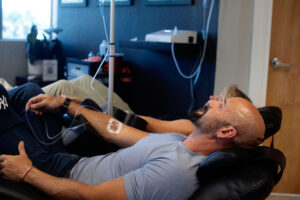
Many adults interested in healthy aging are looking beyond traditional fitness advice and exploring wellness approaches that support recovery.
Depending on personal goals, some individuals explore options such as:
- Vitamin booster injections for targeted nutritional support
- NAD+ therapy as part of a cellular wellness strategy
- Peptide therapy aligned with specific health and recovery goals
- IV hydration protocols
- Lifestyle optimization practices
These approaches are typically pursued alongside foundational habits such as exercise, balanced nutrition, sleep, and hydration. Rather than replacing healthy behaviors, they may serve as additional tools within a comprehensive recovery optimization plan.
Healthy Aging Is About Consistency, Not Perfection
Many people assume healthy aging requires dramatic lifestyle changes. In reality, consistency matters far more than perfection.
Small habits practiced consistently over time can have a meaningful impact on recovery, energy, mobility, physical resilience, and long-term wellness. The objective is not to eliminate every challenge — it is to help the body remain capable of adapting to those challenges.
Recovery plays a central role in that process, and it is one of the most underrated investments anyone can make in their long-term health.
Bringing It All Together
Healthy aging is not simply about adding years to life. It is about maintaining the strength, energy, mobility, and resilience needed to truly enjoy those years.
Recovery influences nearly every part of that equation. The body’s ability to repair, adapt, and restore itself is what allows it to remain active and resilient despite the natural changes that come with age.
By supporting recovery through sleep, hydration, nutrition, stress management, and personalized wellness strategies, many individuals can continue pursuing the activities they love while investing in long-term vitality. If you are curious about how recovery-focused approaches might fit into your routine, exploring options with a knowledgeable team can be a helpful next step.
FAQs
What is healthy aging?
Healthy aging refers to maintaining physical, mental, and functional well-being as we grow older. It focuses on preserving mobility, energy, independence, and quality of life rather than simply extending years.
Why is recovery important as we get older?
Recovery allows the body to repair, adapt, and restore itself after physical activity, stress, and daily demands. Efficient recovery supports resilience, performance, and overall wellness — especially as the body’s natural repair processes become less efficient with age.
Can hydration affect healthy aging?
Yes. Proper hydration supports circulation, energy production, cognitive function, and physical performance, all of which contribute to healthy aging and active living.
How does sleep influence recovery?
Sleep supports tissue repair, hormone regulation, nervous system recovery, and overall health. Poor sleep quality may negatively affect recovery capacity over time, which is why it is often considered the foundation of any healthy aging strategy.
How can I learn which wellness approach may fit my goals?
Our Peptide Therapy Quiz can help you explore wellness options based on your health goals, lifestyle, and recovery priorities.
What if I would like personalized guidance?
Every individual has different recovery needs and wellness goals. If you would like more personalized support, you can contact our team to discuss your situation and explore available options.