Does NAD+ IV Therapy Really Help with Brain Fog and Energy?
Brain fog can feel difficult to explain.
Some people describe it as mental heaviness. Others notice slower thinking, reduced focus, forgetfulness, or a general lack of mental sharpness throughout the day.
When brain fog appears together with low energy, the problem can become even more frustrating. You may sleep enough, eat reasonably well, and still feel like your mind and body are not fully working together.
This is one reason more people are exploring therapies that support energy at a deeper level.
One of those options is NAD+ therapy in Boulder.
NAD+ IV therapy has gained attention for its connection to cellular energy, recovery, and cognitive performance. But what does that actually mean, and can it really help with brain fog and low energy?
Key Takeaways
NAD+ plays an important role in cellular energy and metabolic function
Brain fog and fatigue may be connected to poor recovery, stress, and energy regulation
NAD+ IV therapy focuses on supporting deeper cellular processes rather than temporary stimulation
Results vary based on lifestyle, baseline health, and individual needs
A personalized approach is important when exploring NAD+ for brain fog or energy support
Why Brain Fog and Low Energy Often Happen Together

Brain fog and fatigue often appear together because mental performance and physical energy depend on many of the same systems.
The brain requires steady energy to maintain focus, memory, decision-making, and emotional regulation.
When energy regulation becomes inconsistent, people may notice symptoms such as:
- Difficulty concentrating
- Mental tiredness
- Slower thinking
- Low motivation
- Reduced productivity
- Afternoon crashes
This is why many people searching for brain fog and fatigue every day are not only looking for mental clarity. They are also looking for a way to feel more stable and functional throughout the day.
What NAD+ Does in the Body
NAD+ stands for nicotinamide adenine dinucleotide.
It is a coenzyme found in every cell of the body and plays a central role in how cells produce and use energy.
At a basic level, NAD+ helps support processes related to metabolism, mitochondrial function, DNA repair, and cellular stress response.
Research related to cellular energy and mitochondrial function has shown that NAD+ plays an important role in how cells maintain energy balance and respond to stress.
This matters because brain function depends heavily on energy availability. When cellular energy processes become less efficient, people may experience fatigue, reduced clarity, and slower recovery.
How NAD+ IV Therapy Is Different from Stimulants
Many people dealing with brain fog or fatigue reach for caffeine, energy drinks, or other quick fixes.
These may temporarily increase alertness, but they do not necessarily support the underlying systems involved in energy regulation.
NAD+ IV therapy works differently.
Rather than creating a short-term stimulant effect, it focuses on supporting cellular processes involved in energy production and recovery.
That distinction is important.
The goal is not to feel artificially “wired.” The goal is to help the body support more stable energy and resilience over time.
Can NAD+ IV Therapy Help with Brain Fog?
NAD+ IV therapy may be considered by people who experience persistent brain fog, especially when it appears alongside fatigue, burnout, or slow recovery.
Some individuals report feeling clearer, more focused, or more mentally steady after NAD+ support.
However, results vary.
Brain fog can come from many different factors, including:
- Poor sleep quality
- Chronic stress
- Dehydration
- Nutrient imbalance
- Hormonal changes
- Post-illness recovery
- Overtraining or burnout
Because of this, NAD+ therapy should not be framed as a universal solution. It may be one part of a broader strategy to support cognitive function and energy.
For individuals also dealing with hydration-related fatigue, IV therapy in Boulder may be explored as a complementary approach.
Can NAD+ IV Therapy Support Energy?
Energy is one of the main reasons people become interested in NAD+ therapy.
This makes sense because NAD+ directly participates in the processes cells use to produce energy.
When people describe low energy, they often mean more than feeling sleepy. They may be describing:
- Low stamina
- Poor motivation
- Reduced mental performance
- Slow recovery
- Lack of consistency throughout the day
NAD+ IV therapy may help support the cellular systems involved in these processes.
Some people also combine NAD+ therapy with vitamin boosters when looking for more targeted support around fatigue, nutrient status, or recovery needs.
NAD+ Therapy vs Basic Hydration Support
NAD+ therapy and hydration-focused IV therapy are related, but they are not the same.
Hydration support focuses more directly on fluids, electrolytes, and nutrient delivery.
NAD+ therapy focuses more specifically on cellular energy and metabolic support.
Both may play a role in energy and recovery, but they work through different mechanisms.
For someone mainly dealing with dehydration, travel fatigue, or fluid loss, hydration support may be more relevant.
For someone dealing with persistent fatigue, burnout, or reduced cellular energy, NAD+ may be worth exploring.
This is why a personalized approach matters.
When NAD+ Therapy May Be Worth Considering
NAD+ therapy may be worth exploring when brain fog and low energy persist despite improving basic habits.
Common reasons people consider NAD+ include:
- Long-term fatigue
- Mental fog
- Burnout
- Slow recovery
- High stress
- Poor resilience
- Performance demands
In Boulder, where altitude, outdoor activity, training, and demanding professional lifestyles are common, energy and recovery support often become part of a broader wellness conversation.
Some individuals also explore peptide therapy when looking for more targeted recovery or performance support.
What to Expect from NAD+ IV Therapy
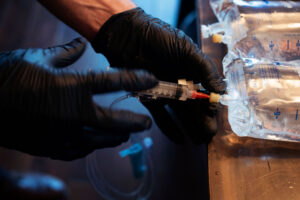
A NAD+ IV therapy session typically takes longer than a standard hydration drip.
That is because NAD+ is often administered gradually to improve comfort and tolerance.
During the session, some people feel relaxed, warm, or mildly uncomfortable depending on the rate of infusion. Clinicians can usually adjust the pace based on how the individual responds.
The experience should feel supervised and controlled, not rushed.
A thoughtful clinical approach includes:
- A clear intake process
- Review of goals and health history
- Proper monitoring during treatment
- Personalized recommendations
- Realistic expectations
For people unsure where to begin, the peptide therapy quiz can help identify possible wellness directions based on goals and symptoms.
What Results Can People Expect?
This is where expectations matter.
Some people notice changes in mental clarity or energy after a session. Others need more time or a more consistent plan.
NAD+ therapy does not replace sleep, nutrition, stress management, or medical care when needed.
It works best when viewed as part of a broader wellness strategy.
That strategy may include hydration, recovery work, nutrient support, lifestyle changes, and targeted therapies when appropriate.
Conclusion
Brain fog and low energy can be frustrating, especially when the cause is not obvious.
NAD+ plays an important role in cellular energy, metabolism, and recovery, which makes it relevant for people exploring deeper support for fatigue and mental clarity.
NAD+ IV therapy is not a stimulant and should not be treated as a quick fix. Its purpose is to support the systems involved in energy regulation and cellular function.
For individuals in Boulder dealing with brain fog, fatigue, burnout, or performance demands, NAD+ therapy may be worth exploring as part of a structured and personalized wellness approach.
FAQs
Does NAD+ IV therapy help with brain fog?
Some individuals report improved mental clarity and focus after NAD+ therapy, but results vary depending on the cause of brain fog and overall health factors.
Is NAD+ therapy good for energy?
NAD+ supports cellular processes involved in energy production, so some individuals explore it for fatigue, low stamina, and recovery support.
How long does it take to notice results from NAD+ IV therapy?
Some people notice changes relatively quickly, while others experience more gradual improvements over time.
Is NAD+ therapy the same as IV hydration?
No. IV hydration focuses on fluids and nutrients, while NAD+ therapy focuses more specifically on cellular energy and metabolic support.
How can I know if NAD+ or another therapy is right for me?
Taking the peptide therapy quiz may help you explore supportive wellness options based on your goals, symptoms, and recovery needs.
What if I want personalized guidance?
You can reach out through the contact page to discuss your goals and explore available wellness support options.