Does IV Therapy Really Help with Fatigue and Low Energy? What to Expect
Feeling constantly tired has become one of the most common wellness complaints today.
For some people, it feels like mental exhaustion that never fully goes away. Others describe low motivation, poor recovery, difficulty concentrating, or the sensation of running on empty even after sleeping.
Modern lifestyles place continuous stress on the body.
Long workdays, poor recovery habits, dehydration, inconsistent sleep schedules, travel, stress, intense training, and high cognitive demands can all influence energy levels over time.
As a result, many individuals begin searching for solutions beyond caffeine or temporary stimulants.
One option that continues to grow in popularity is IV therapy.
But does IV therapy actually help with fatigue and low energy?
Key Takeaways
- Fatigue and low energy can be influenced by hydration, recovery, and nutrient status
- IV therapy delivers fluids and nutrients directly into circulation
- Some people explore IV therapy when oral supplements no longer feel effective
- Hydration may play an important role in mental clarity and physical recovery
- IV therapy is often used as part of a broader wellness and recovery strategy
Why Fatigue Feels So Common Today
Energy levels are influenced by far more than sleep alone.

Recovery, hydration, stress exposure, physical activity, nutrient intake, and overall lifestyle patterns all affect how the body regulates energy throughout the day.
Over time, people may begin experiencing symptoms such as:
- Persistent fatigue
- Brain fog
- Difficulty concentrating
- Low motivation
- Poor workout recovery
- Afternoon crashes
- Feeling drained despite adequate sleep
In many cases, these symptoms develop gradually and become normalized.
That is one reason searches related to why am I so tired all the time even when I get enough sleep continue increasing every year.
Research published by the National Institutes of Health hydration research has shown that hydration status may influence cognitive performance, alertness, mood, and perceived energy levels.
Many individuals eventually begin looking for more structured wellness approaches that support recovery rather than simply masking fatigue temporarily.
Why Hydration and Nutrient Delivery Matter
Hydration influences nearly every major system in the body.
Fluid balance affects circulation, cognitive performance, muscle function, recovery, and overall energy regulation. Even mild dehydration may contribute to fatigue, headaches, reduced focus, and mental sluggishness.
Nutrients also play an important role in how efficiently the body produces and regulates energy.
However, nutrient intake alone does not always guarantee optimal absorption.
Factors such as digestion, stress, inflammation, lifestyle habits, and hydration levels may all influence how nutrients are utilized throughout the body.
This is one reason some individuals explore more direct wellness support approaches such as IV therapy in Boulder.
Why Oral Supplements May Not Always Feel Effective
Many people already take vitamins or supplements daily.
For some individuals, this routine works well over time. Others may not notice significant changes in how they feel.
One reason is that oral supplements must first move through the digestive system before nutrients become available for absorption.
This process may vary significantly from person to person.
Hydration status, digestion efficiency, metabolism, nutrient balance, and overall health can all influence how effectively the body processes nutrients.
That does not mean oral supplementation lacks value.
In many cases, individuals combine daily wellness habits with more structured recovery approaches depending on their goals and lifestyle demands.
You can learn more about the differences between oral supplements and IV therapy and how nutrient delivery varies between both approaches.
How IV Therapy Works Differently
IV therapy delivers fluids and nutrients directly into circulation through intravenous administration.
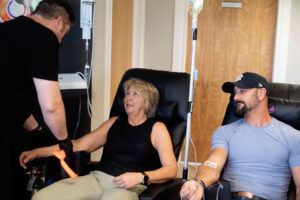
Because this process bypasses digestion, hydration and nutrient availability occur differently compared to oral intake.
Many individuals exploring IV therapy are not necessarily looking for an artificial energy boost.
Instead, they are often seeking support for:
- Hydration
- Recovery
- Physical performance
- Mental clarity
- Consistent daily energy
- Post-workout recovery
- Stress-related fatigue
In active environments like Boulder, factors such as altitude, dry climate, outdoor activity, and physically demanding lifestyles may further increase hydration and recovery demands.
IV Therapy vs Caffeine and Energy Drinks
One of the biggest differences between IV therapy and stimulants is the overall approach.
Caffeine and energy drinks often provide temporary stimulation by increasing alertness for a short period of time.
Hydration-focused wellness approaches aim to support recovery and overall balance instead.
Many people exploring wellness therapies today are looking for sustainable recovery support rather than short-term stimulation alone.
How Quickly Does IV Therapy Work for Fatigue?
Experiences vary from person to person.
Some individuals report noticing hydration and recovery support relatively quickly, while others describe more gradual changes depending on lifestyle, stress levels, sleep quality, and overall wellness habits.
People commonly describe experiences such as:
- Feeling more hydrated
- Improved mental clarity
- Better recovery after physical activity
- Reduced afternoon fatigue
- More consistent energy throughout the day
The goal is not creating an artificial “high.”
Instead, the focus is supporting the body’s natural recovery and energy regulation processes more efficiently.
When People Commonly Explore IV Therapy
People consider IV therapy for many different reasons.
Some individuals seek hydration support after travel, illness, intense exercise, or physically demanding schedules.
Others explore IV therapy when dealing with:
- Persistent fatigue
- Mental fog
- High stress levels
- Recovery challenges
- Busy professional schedules
- Athletic performance demands
Some individuals also combine hydration support with therapies such as NAD+ therapy or targeted vitamin boosters depending on their goals and recovery needs.
For people interested in broader wellness optimization strategies, personalized approaches often become increasingly important over time.
Recovery Often Requires a Bigger Picture Approach
Fatigue rarely comes from a single factor alone.
Hydration, sleep quality, stress exposure, nutrition, activity level, recovery patterns, and overall lifestyle habits all interact together.
That is why many people benefit from taking a more complete approach to wellness instead of searching for a single quick fix.
In some cases, exploring structured wellness support may help individuals better understand what their body may be lacking.
For those interested in personalized recovery strategies, the peptide therapy quiz may help identify supportive wellness options based on individual goals and lifestyle patterns.
FAQs
Does IV therapy really help with fatigue and low energy?
Some individuals report improved hydration, recovery, and mental clarity after IV therapy sessions. Experiences vary depending on the individual and underlying lifestyle factors.
How quickly does IV therapy work for fatigue?
Some people describe noticing hydration support relatively quickly, while others experience more gradual changes over time.
Is IV therapy better than energy drinks?
IV therapy and stimulants work differently. Energy drinks typically provide temporary stimulation, while hydration-focused wellness approaches aim to support recovery and balance.
Can dehydration contribute to low energy?
Yes. Even mild dehydration may influence mental clarity, focus, and physical energy levels.
How can I explore personalized wellness support options?
Taking the peptide therapy quiz may help you explore supportive wellness approaches based on your recovery and performance goals.
What if I want more personalized guidance?
You can reach out through the contact page to discuss your symptoms, goals, and available wellness support options.