NAD+ Therapy for Recovery: From High Performers to Chronic Fatigue
Recovery is not only about rest. It depends on how efficiently the body restores energy, repairs tissue, and adapts to physical and mental stress.
For some individuals, recovery happens naturally with sleep, hydration, and proper nutrition. For others, especially those under constant physical or cognitive demand, recovery may feel slower or incomplete.
At a deeper level, this often relates to how the body manages cellular energy, which plays a central role in performance, resilience, and repair.
NAD+ supports these processes by helping cells produce and use energy more efficiently. As levels decline, recovery may become less effective over time.
For individuals looking for structured support, NAD+ therapy in Boulder is often explored as part of a broader recovery strategy.
Key Takeaways
• Recovery depends on cellular energy, not just rest
• NAD+ plays a key role in energy production and repair
• Both high performers and individuals with fatigue may benefit from support
• A structured approach may improve recovery and resilience
How NAD+ Therapy Supports Recovery
Athletes, entrepreneurs, and individuals with demanding routines often place continuous stress on their bodies.

Training intensity, long work hours, and limited recovery time can create a constant demand for energy.
Over time, this may lead to slower recovery, reduced performance, and increased fatigue.
In these cases, supporting cellular function becomes part of maintaining consistency.
Some individuals incorporate IV therapy in Boulder to support hydration and recovery processes more directly.
Others also explore complementary approaches such as peptide therapy when focusing on performance and tissue repair.
Recovery and Physical Adaptation
Physical recovery involves more than muscle repair. It includes how the body adapts to stress, restores energy, and prepares for future demand.
When recovery is efficient, performance improves over time.
When recovery is limited, fatigue accumulates.
NAD+ plays a role in these processes by supporting mitochondrial function and energy availability.
This is why some recovery strategies focus not only on rest, but also on how the body produces energy at a cellular level.
Chronic Fatigue and Low Energy States
Not all recovery challenges come from high performance.
Some individuals experience persistent fatigue without a clear cause. Even with adequate sleep and nutrition, energy levels remain low.
This may relate to how efficiently the body produces and uses energy over time.
In these cases, approaches such as NAD+ therapy in Boulder are sometimes considered within a clinical framework.
Understanding these underlying processes can help move beyond surface-level solutions.
Mental Recovery and Cognitive Fatigue
Recovery is also cognitive.
Mental fatigue, difficulty concentrating, and reduced clarity can reflect how the brain manages energy.
Under prolonged stress, cognitive performance may decline in a similar way to physical performance.
Supporting energy at a cellular level may play a role in maintaining focus and mental resilience.
Some individuals explore combined strategies that include vitamin boosters or targeted therapies depending on their needs.
A Combined Approach to Recovery
Recovery is rarely supported by a single intervention.
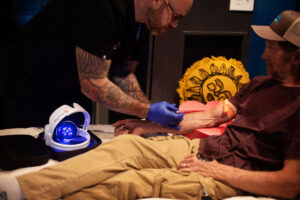
Most individuals benefit from combining lifestyle factors such as sleep, nutrition, and stress management with more targeted approaches.
Clinicians may discuss supportive options such as hydration-based treatments, StemWave therapy, or other care pathways depending on individual goals.
Understanding how these approaches work together allows for a more structured and personalized strategy.
Understanding Recovery at a Deeper Level
Recovery depends on multiple systems working together, including metabolism, stress response, and cellular repair.
According to National Institutes of Health, energy metabolism plays a central role in how the body maintains balance and responds to stress.
This is why recovery strategies increasingly focus on supporting underlying processes rather than only addressing symptoms.
If you are unsure where to start, taking a peptide quiz can help you identify potential areas of focus.
You can also learn more about the clinical approach through the about page.
Conclusion
Recovery is not only about taking time off. It depends on how effectively the body restores energy and adapts to stress.
For high performers, recovery supports consistency and performance. For individuals experiencing fatigue, it supports daily function and well being.
NAD+ plays a central role in these processes, making it a relevant factor in both physical and cognitive recovery.
In Boulder, where lifestyle demands can be higher, understanding and supporting recovery at a deeper level can make a meaningful difference over time.
Frequently Asked Questions
Can NAD+ therapy help with recovery?
NAD+ therapy may support the cellular processes involved in energy production and repair, which are key components of recovery.
Is NAD+ only for athletes?
No. While athletes often explore it for performance, individuals with fatigue or stress may also consider it.
How often should recovery treatments be used?
This depends on individual needs, lifestyle, and recovery demands.
Can NAD+ support mental recovery?
NAD+ plays a role in cellular energy, which may influence cognitive function and mental resilience.
What is the best way to start?
Taking the peptide quiz can help guide your next steps based on your goals.
If you are looking to improve recovery, performance, or energy levels, exploring a structured approach may be a valuable next step.
You can request guidance through the contact page.