When it comes to improving energy, recovery, and overall wellness, many people begin exploring different options that go beyond basic nutrition and exercise. Two approaches that often come up in these conversations are peptide based strategies and NAD+ therapy. Many individuals in Boulder explore both peptide and NAD therapy to support recovery and performance.
At first glance, both seem to support similar goals. They are often discussed in the context of recovery, energy, and long term health. However, they work through different mechanisms, and understanding those differences can help clarify which approach may be more aligned with your needs.
In Boulder, where active lifestyles and performance focused routines are common, these questions come up frequently. People are not just looking to feel better in the short term. They are looking for ways to sustain energy, improve recovery, and maintain long term performance.
Many people comparing peptide therapy vs NAD therapy are trying to understand which approach better supports their energy, recovery, and long term performance.
Key Takeaways
• Peptides and NAD+ are explored for different biological processes related to recovery and energy.
• Peptides are often discussed in relation to signaling and tissue support, while NAD+ is associated with cellular energy.
• Choosing between them depends on your goals, lifestyle, and the type of support you are looking for.
Understanding NAD+ Therapy

NAD+ is a coenzyme found in every cell of the body. It plays a role in cellular energy production, particularly in processes related to mitochondrial function.
As people age or experience ongoing stress, NAD+ levels may decline. This has led to growing interest in how NAD+ related approaches are explored in the context of energy, focus, and recovery.
Some individuals look into NAD therapy as part of a broader strategy to support cellular function, especially when dealing with fatigue, mental fog, or decreased energy levels.
Research into cellular metabolism and NAD+ pathways continues to evolve, and studies such as clinical research on NAD and cellular energy metabolism help explore how these processes function at a deeper level.
Understanding Peptide Based Approaches
Peptides are short chains of amino acids that act as signaling molecules in the body. They help regulate communication between cells and influence a wide range of biological processes.
Unlike NAD+, which is primarily associated with cellular energy production, peptides are often discussed in relation to how the body signals repair, recovery, and balance.
Certain peptides are studied for their potential relationship with tissue repair, inflammation pathways, and hormonal signaling. This is why they are frequently mentioned in conversations around recovery, sleep, and performance.
For those exploring how these approaches are used in practice, resources such as peptide therapy treatments provide additional insight into how peptide based strategies are discussed within wellness settings.
How They Differ in Practice
While both approaches are connected to recovery and wellness, they are often explored for different reasons.
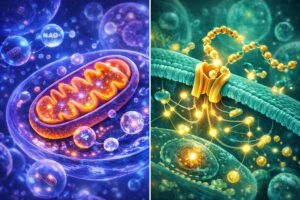
NAD+ related approaches are typically associated with:
-
cellular energy production
-
mental clarity and focus
-
fatigue and brain fog
Peptide based approaches are more commonly discussed in relation to:
-
recovery and tissue support
-
sleep and hormonal balance
-
inflammation and repair processes
These differences do not necessarily make one better than the other. Instead, they highlight how each approach may align with different goals.
Which One Is Right for You?
Choosing between these approaches depends on what you are trying to improve.
If your main concern is low energy, mental fatigue, or difficulty maintaining focus throughout the day, exploring options such as NAD therapy may be part of the conversation.
If your focus is more on recovery, joint support, sleep quality, or maintaining performance after physical activity, peptide related approaches may be more relevant.
In many cases, individuals do not fit perfectly into one category. Their goals may include both energy and recovery. This is why understanding your starting point is important before exploring any specific approach.
Recovery, Performance and Lifestyle in Boulder
In Boulder, recovery is not optional. It is part of maintaining an active lifestyle. Whether it is climbing, trail running, or simply staying active on a daily basis, the body is constantly adapting to physical demands.

Because of this, many people begin to explore different ways to support long term health. Approaches such as IV therapy are often used to support hydration and nutrient delivery, especially after intense activity.
Others explore clinician-guided supportive care as part of broader wellness strategies related to recovery and balance.
Clinics such as Awaken IV focus on supporting individuals who want to maintain energy, recovery, and performance over time.
If you are unsure which approach aligns better with your goals, taking the peptide therapy quiz can help you better understand which options are commonly discussed based on your current needs.
If you prefer a more direct approach, you can also contact our clinic to learn more about available wellness services.
Conclusion
Peptide based approaches and NAD+ therapy are both part of a growing conversation around recovery, energy, and long term wellness.
While they are often mentioned together, they support different processes within the body. Understanding these differences can help you make more informed decisions based on your goals.
For individuals living active lifestyles, especially in environments like Boulder, taking a proactive approach to recovery and energy can make a meaningful difference over time.
Frequently Asked Questions
What is the difference between peptides and NAD+?
Peptides are signaling molecules that help regulate biological processes, while NAD+ is a coenzyme involved in cellular energy production.
Can NAD+ improve energy levels?
NAD+ is associated with processes related to cellular energy, and some individuals explore NAD therapy as part of strategies to support energy and focus.
Are peptides used for recovery?
Peptides are often studied in relation to recovery, tissue repair, and signaling pathways within the body.
Can both approaches be explored together?
Some individuals explore different wellness approaches depending on their goals, although this should always be discussed with a professional.
How do I know which option is right for me?
Understanding your goals is key. If you are unsure, tools like the peptide therapy quiz can help guide your exploration.