Dehydration relief Boulder residents often search for is frequently linked to a simple but overlooked reality: living at 5,430 feet above sea level changes how the body regulates fluid balance.
Many people in Boulder drink what appears to be an adequate amount of water each day. Yet they continue to experience low energy, mild headaches, dry skin, or slower recovery after time outdoors. The explanation is not always dramatic. It is often physiological.
At altitude, hydration behaves differently.
Understanding why helps clarify when supportive intervention may be meaningful and when it may not.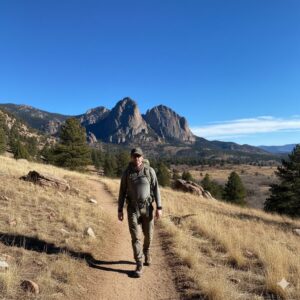
Dehydration Relief Boulder What Altitude Changes
At 5,430 feet, the air is thinner and significantly drier than at sea level. The body compensates through subtle increases in respiratory rate and ventilation. Each breath releases more water vapor than it would at lower elevation.
Over the course of a day, especially during outdoor activity, that increased respiratory loss can create a fluid gap.
This is not the same as acute dehydration from illness or extreme heat. It is often gradual. Many residents adapt well. Others operate in a low grade fluid deficit without recognizing it.
Institutions studying high altitude physiology, including the National Institutes of Health overview on altitude and fluid regulation, describe how elevation alters respiratory water loss and plasma balance.
The Physiology of Fluid Loss at Elevation
Altitude influences hydration through several mechanisms:
Increased respiratory water loss
Lower ambient humidity
Higher ultraviolet exposure
Greater insensible fluid loss during exercise
For individuals hiking the Flatirons, running near Chautauqua Park, or training on Mount Sanitas, this effect compounds. Outdoor exertion at altitude increases ventilation and accelerates turnover.
The result may feel subtle:
Mild fatigue
Reduced mental clarity
Head pressure
Delayed post workout recovery
These symptoms overlap with many other factors. That is why context matters.
Why Drinking More Water Is Not Always the Full Solution
Water remains foundational. It is essential.
However, water alone does not restore electrolytes lost through sweat and respiration. In some cases, excessive plain water intake without mineral balance may dilute sodium concentration.
The body relies on sodium, potassium, and magnesium to regulate fluid distribution between intracellular and extracellular spaces.
When those minerals are not adequately replaced, increasing water volume may not correct the imbalance.
For individuals exploring a clinically guided IV hydration in Boulder, the distinction is not about replacing daily hydration habits. It is about temporarily restoring circulating fluid and electrolyte balance when physiological demand has exceeded intake.
Supportive hydration works best when it complements consistent daily habits rather than compensating for their absence.
For a broader perspective on how hydration integrates into recovery planning, see our discussion on IV therapy for energy and recovery.
Acute Versus Ongoing Fluid Imbalance
Not every symptom of fatigue at altitude is caused by dehydration.
It is helpful to distinguish between:
Short term fluid strain
and
Chronic systemic imbalance
Short term strain may follow:
A long trail day
Extended sun exposure
Travel combined with altitude shift
Intense training sessions
In these cases, restoring hydration may align well with physiology.
Chronic imbalance looks different.
If fatigue has persisted for months
If sleep remains disrupted
If stress load is consistently elevated
If symptoms fluctuate regardless of fluid intake
Then hydration alone is unlikely to resolve the pattern.
When symptoms clearly align with altitude related fluid strain, timely hydration support may help restore circulatory balance more efficiently than oral intake alone.
Major institutions such as the Mayo Clinic overview on fatigue causes emphasize that persistent fatigue often reflects layered contributors rather than a single deficiency.
When Circulation and Oxygenation Play a Role
At altitude, oxygen availability is naturally reduced. While most residents adapt effectively, some individuals experience fatigue that is not purely fluid related.
Altitude affects both hydration and oxygen dynamics.
In these cases, hydration alone may not address the full picture. Supportive approaches that focus on circulation and oxygen utilization, such as ozone therapy in Boulder, are sometimes considered within structured wellness protocols.
Ozone therapy is not a substitute for acclimatization. It is designed to support oxygen efficiency and circulatory balance when physiology is temporarily strained.
As with hydration, timing and evaluation determine appropriateness.
Support Versus Substitution at Altitude
One of the most important distinctions in altitude wellness is support versus substitution.
Support assists systems that are temporarily strained.
Substitution attempts to replace habits that require attention.
Dehydration relief Boulder services should not substitute for:
Consistent fluid intake
Electrolyte awareness
Adequate sleep
Balanced training volume
When this boundary is respected, hydration therapy remains a strategic tool rather than an overextended solution.
Integrating Hydration Into a Broader Plan
For some individuals, periodic hydration becomes part of a structured approach to living at altitude.
This may include:
Monitoring fluid intake during dry winter months
Increasing electrolytes during heavy training blocks
Occasional IV hydration during peak physical demand
In certain cases, combining hydration with metabolic or oxygen focused strategies may provide a more comprehensive approach depending on individual physiology.
The goal is not dependence. It is resilience.
If recovery feels incomplete despite appropriate hydration habits, a brief clinical consultation can help determine whether supportive hydration or a broader protocol aligns with your current needs.
How to Know If This Applies to You
Hydration support may be worth considering if:
-
You live or train regularly in Boulder
-
Fatigue worsens after outdoor activity
-
Recovery improves temporarily with electrolyte intake
-
Symptoms fluctuate with altitude exposure
If several of these patterns apply, structured hydration may align with your physiology.
In a high altitude city like Boulder, having access to structured hydration support, whether in clinic or at home, allows intervention to align with training and recovery timing.
Living Well at 5,430 Feet
Boulder’s altitude shapes daily physiology in subtle ways.
Most residents adapt effectively.
Some experience persistent low grade dehydration or circulatory strain that affects clarity and recovery more than they realize.
Dehydration relief Boulder residents explore works best when timing and context are understood.
When hydration is truly the limiting factor, restoring balance may feel meaningful.
When fatigue reflects broader systemic patterns, structured evaluation offers greater clarity than intensity.
In a high altitude environment like Boulder, clarity often matters more than intensity. A structured clinical conversation can help determine whether hydration, ozone support, or a broader recovery strategy best fits your physiology..
Living well at altitude is not about chasing intervention. It is about aligning support with physiology.