Fatigue is one of the most common concerns people experience, yet it can be difficult to address. Feeling constantly tired, lacking energy, or struggling to recover after physical or mental effort can impact both performance and daily life.
Many people searching for IV therapy for fatigue are trying to understand whether hydration and nutrient support can make a difference in how they feel. The answer is not always simple, but understanding how fatigue works in the body can help clarify what to expect.
In Boulder, where active lifestyles, altitude, and busy routines are part of everyday life, fatigue often becomes more noticeable. This makes recovery and energy support an important part of maintaining balance.
Key Takeaways
• Fatigue can be influenced by hydration, nutrient levels, sleep, and lifestyle factors.
• IV therapy is often discussed as a way to support hydration and nutrient delivery.
• Results can vary depending on individual needs and overall health.
Why Fatigue Happens
Fatigue is not caused by a single factor. It is usually the result of multiple elements interacting at the same time.

Dehydration, nutrient deficiencies, poor sleep, stress, and physical exertion can all contribute. In some cases, fatigue builds gradually and becomes part of daily life without a clear cause.
At altitude, the body works harder to maintain oxygen balance, which can increase energy demands. This is one reason why people in Boulder often notice fatigue more than expected, especially when combined with physical activity.
In Boulder, fatigue can be more noticeable due to altitude, activity levels, and lifestyle demands.
Understanding these underlying factors is key to finding the right approach.
How IV Therapy Is Discussed for Fatigue
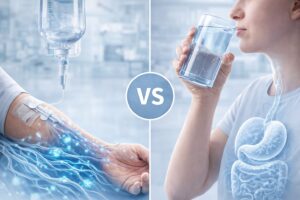
IV therapy is often explored as a way to support hydration and deliver nutrients directly into the bloodstream. Because this bypasses the digestive system, fluids and nutrients are available more quickly compared to oral intake.
This is why some individuals consider IV therapy in Boulder when they are dealing with fatigue, recovery challenges, or dehydration.
Rather than acting as a quick fix, IV therapy is usually discussed as part of a broader approach that includes sleep, nutrition, and recovery habits.
What People May Notice
Experiences can vary, but some individuals report feeling more refreshed or balanced after addressing hydration and nutrient support.
This does not happen in the same way for everyone. Factors such as baseline health, activity level, and lifestyle all influence how the body responds.
For some, the effect may feel noticeable shortly after hydration is restored. For others, improvements may be more gradual and linked to consistent recovery habits.
Understanding expectations is important, especially when comparing different approaches to energy support.
Fatigue, Recovery and Lifestyle in Boulder
Living in Boulder often means staying active, whether through outdoor activities or a busy daily routine. While this supports overall health, it also increases the need for recovery.

Fatigue can become a limiting factor if the body is not able to properly restore balance.
This is why many individuals explore different strategies to support energy and recovery. Some look into NAD therapy when focusing on cellular energy, while others explore peptide therapy treatments as part of longer term recovery strategies.
Clinics such as Awaken IV focus on helping individuals understand how hydration and nutrient support fit into overall wellness.
If you are unsure what may be contributing to your fatigue, taking the peptide therapy quiz can help you explore options based on your goals.
If you prefer direct guidance, you can also contact our clinic to learn more about recovery focused wellness services.
Conclusion
Fatigue is a complex issue that often requires a balanced and informed approach. While hydration and nutrient support can play a role, they are only part of the overall picture.
IV therapy is often discussed as a way to support the body more directly, especially when hydration or nutrient delivery may be limited.
For individuals living in environments like Boulder, where activity levels and altitude increase physical demands, understanding how to support recovery can make a meaningful difference in energy and performance.
Frequently Asked Questions
Does IV therapy help with fatigue?
IV therapy is often discussed as a way to support hydration and nutrient delivery, which may influence energy levels.
How quickly can IV therapy affect fatigue?
Some individuals report feeling more refreshed shortly after hydration is restored, although results vary.
What causes fatigue at altitude?
Altitude can increase physical stress on the body, leading to higher energy demands and potential fatigue.
Is IV therapy a long term solution for fatigue?
It is usually considered part of a broader approach that includes sleep, nutrition, and lifestyle habits.
How can I understand what is causing my fatigue?
Understanding your lifestyle and recovery habits is key. Tools like the peptide therapy quiz can help guide your exploration.