Is IV Therapy Safe? What You Should Know
When exploring new approaches to hydration, recovery, or energy support, one of the first questions that comes up is safety.
It is a reasonable concern. Many people searching for is IV therapy safe are not just curious, they want to understand how these treatments are used, what factors influence safety, and whether it makes sense for their situation.
The answer depends on context. Like many wellness approaches, IV therapy is typically discussed in relation to how it is administered, the setting, and the individual’s health.
In Boulder, where active lifestyles and recovery focused routines are common, these questions come up frequently as people look for ways to support their overall well being.
Key Takeaways
• IV therapy is generally discussed as safe when performed in a professional clinical setting.
• Safety depends on factors such as administration, supervision, and individual health.
• Understanding how treatments are delivered helps reduce uncertainty.
How IV Therapy Is Typically Administered
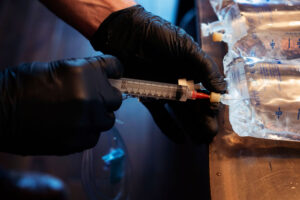
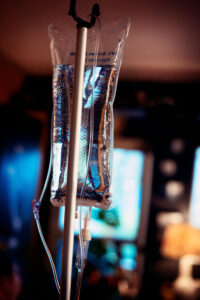
IV therapy involves delivering fluids and nutrients directly into the bloodstream through a small catheter placed in the vein.
Because this process bypasses the digestive system, it allows hydration and nutrients to be available more directly.
The procedure itself is similar to what is used in many medical settings for hydration and fluid support.
Research into intravenous hydration and safety, such as clinical studies on IV therapy safety and administration, continues to explore best practices and protocols.
What Influences Safety?
Safety is not defined by a single factor. It depends on how the therapy is delivered and the context in which it is used.
Professional supervision is one of the most important elements. Treatments performed in a clinical environment with trained staff are typically approached with structured protocols.
Individual health also plays a role. Factors such as medical history, hydration status, and overall condition can influence how the body responds.
This is why personalized guidance is often part of the process when exploring these types of treatments.
Clinical Environment and Professional Oversight
One of the key aspects often discussed when evaluating IV therapy is the setting.

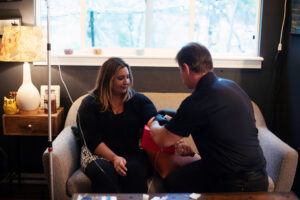
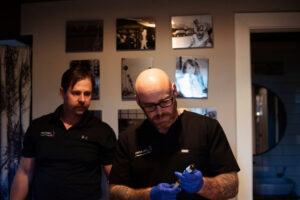
In a clinical environment, attention is given to hygiene, proper administration techniques, and patient monitoring.
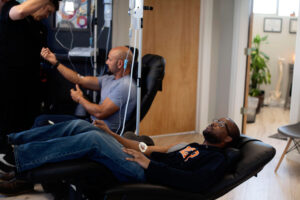
For individuals considering hydration support, IV therapy in Boulder is often associated with clinics that focus on safety, comfort, and personalized care.
Clinics such as Awaken IV aim to create an environment where individuals can explore recovery and hydration support with professional oversight.
Common Concerns About IV Therapy
It is normal to have questions when considering something new.
Some people wonder about discomfort, while others are more focused on how their body may respond.
In most cases, these concerns are addressed through proper technique, communication, and understanding expectations before starting.
Having clear information and guidance helps reduce uncertainty and allows individuals to make more informed decisions.
Safety, Lifestyle and Recovery in Boulder
In Boulder, where altitude, physical activity, and lifestyle demands are higher, people often explore different approaches to support recovery.
Hydration plays a key role, but it is only one part of the broader picture.
Some individuals also explore NAD therapy when focusing on cellular energy, or peptide therapy treatments as part of longer term recovery strategies.
Understanding how these approaches fit together can help create a more balanced and informed perspective.
If you are unsure where to start, taking the peptide therapy quiz can help you explore options based on your goals.
If you prefer direct guidance, you can also contact our clinic to learn more about hydration and recovery focused services.
Conclusion
Safety is one of the most important considerations when exploring any wellness or recovery approach.
IV therapy is typically discussed as safe when performed in a professional clinical setting with appropriate supervision and protocols.
Understanding how it works, what influences safety, and how it fits into your overall lifestyle can help you make more informed decisions.
For individuals in Boulder, where recovery and performance are part of daily life, having access to clear and reliable information is key.
Frequently Asked Questions
Is IV therapy safe?
IV therapy is generally discussed as safe when performed in a professional clinical setting with trained staff.
Are there risks with IV therapy?
As with many procedures, individual factors and proper administration influence how it is experienced.
Does IV therapy hurt?
Some individuals may feel mild discomfort during insertion, but the process is typically quick.
Who should consider IV therapy?
People exploring hydration, recovery, or energy support often look into IV therapy as part of a broader approach.
How can I know if it is right for me?
Understanding your goals is key. The peptide therapy quiz can help guide your starting point.