
Dehydration relief Boulder searches often increase during winter, even though most people associate dehydration with summer heat. At 5,430 feet above sea level, the physiology of hydration changes in ways that are less obvious but highly impactful.
In late February, many residents and visitors spend full days skiing at Eldora Mountain Resort or driving back from Breckenridge, Keystone, or Winter Park. After extended cold exposure at altitude, symptoms such as headache, fatigue, mild nausea, brain fog, and poor sleep are common.
Most assume they are simply tired.
In many cases, dehydration is playing a larger role than expected.
Understanding winter altitude physiology allows more informed decisions about recovery.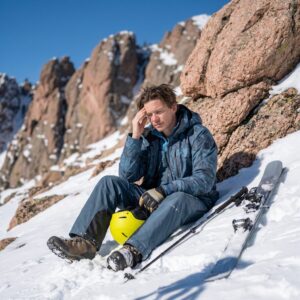
Why Winter in Boulder Increases Fluid Loss
Cold weather reduces thirst perception. The body does not signal dehydration as aggressively in winter as it does during heat exposure.
At altitude, breathing rate increases to compensate for lower oxygen pressure. Every exhalation releases moisture. In dry mountain air, that moisture loss is amplified. The CDC’s high altitude travel guidance explains how fluid loss increases with elevation exposure.
Additional factors common in Boulder winters include:
-
Heated indoor environments with low humidity
-
Alcohol intake during ski weekends
-
Prolonged outdoor exposure in wind
-
Heavy physical exertion during skiing or snowboarding
-
Inadequate electrolyte replacement
A full day skiing at Eldora or a weekend in Breckenridge can result in cumulative fluid depletion, even when water intake appears adequate.
Because thirst is blunted, many individuals underestimate their deficit.
Why Symptoms Feel More Intense at 5,430 Feet
At sea level, mild dehydration may present as subtle fatigue. At 5,430 feet, the same deficit can feel amplified.
Common winter altitude related symptoms include:
-
Persistent headache after skiing
-
Brain fog during the following workday
-
Fatigue disproportionate to effort
-
Mild dizziness when standing
-
Dry skin and cracked lips
-
Reduced exercise tolerance
These overlap with recognized dehydration symptoms described in clinical literature.
They also overlap with mild altitude adaptation.
Without context, it is easy to misclassify the cause.
When Winter Symptoms Require Urgent Care
Not every post ski headache is benign. Certain symptoms require immediate evaluation.
Urgent care is appropriate if winter altitude symptoms include:
-
Severe shortness of breath at rest
-
Chest pain
-
Confusion or altered awareness
-
Persistent vomiting
-
Severe or worsening headache unresponsive to rest
-
Difficulty walking or loss of coordination
These may signal severe altitude illness or other medical conditions requiring diagnostic assessment.
Supportive hydration does not replace emergency evaluation when red flags are present.
Clarity protects outcomes.
When Dehydration Is the More Likely Driver
In many Boulder winter cases, symptoms reflect cumulative fluid depletion rather than acute pathology.
Dehydration is more likely when:
-
Symptoms began after prolonged skiing or cold exposure
-
Alcohol was consumed during or after activity
-
Urine output has decreased or darkened
-
Headache improves temporarily with fluids
-
There are no neurological red flags
In these situations, fluid balance and electrolytes may be strained rather than medically unstable.
Oral hydration is often sufficient in mild cases. However, nausea, appetite suppression, or persistent fatigue may limit effective intake.
When oral intake is insufficient, clinically guided IV hydration in Boulder may help restore circulatory balance more efficiently.
For a deeper explanation of how altitude affects energy systems, review IV therapy for energy and recovery.
Why Water Alone May Not Always Be Enough
At altitude, fluid loss involves both water and electrolytes. Replacing volume without electrolytes may not fully restore balance.
After a full ski day at Eldora or a weekend in Winter Park, circulatory efficiency and cellular hydration may remain suboptimal even after increased water intake.
Supportive hydration delivered through IV therapy in Boulder allows fluid and electrolyte delivery directly into circulation when symptoms persist and are moderate.
For individuals who experience recurring winter fatigue patterns, When Supportive IV Care Makes Sense and When It Does Not offers additional context on appropriate timing.
The Preventive Perspective: Hydration Before Skiing
An increasing number of Boulder residents are shifting toward preventive strategies.
Rather than waiting for symptoms after skiing, some individuals prioritize hydration planning before extended mountain exposure.
Preventive strategies may include:
-
Increasing fluid and electrolyte intake 24 hours before skiing
-
Limiting alcohol during altitude exposure
-
Prioritizing sleep
-
Monitoring urine color
For individuals with recurring post ski headaches, structured hydration planning may reduce severity and duration.
In some cases, recovery protocols may also integrate therapies such as ozone therapy for circulatory support when clinically appropriate within broader altitude recovery planning.
Prevention is not intensity. It is alignment.
Winter Brain Fog and Professional Performance
Dry indoor air, altitude exposure, and mild dehydration can combine to reduce cognitive clarity during winter months.
Professionals returning from ski weekends often attribute reduced performance solely to workload. In some cases, fluid imbalance contributes.
When winter fatigue and cognitive sluggishness persist despite rest and basic hydration, evaluation can clarify whether dehydration is the primary driver.
For those seeking structured assessment of hydration status and recovery planning, our Boulder IV therapy services page outlines available supportive options.
A Practical Winter Decision Framework
Before pursuing dehydration relief in Boulder, consider:
-
Did symptoms begin after skiing or prolonged cold exposure?
-
Are any symptoms severe or worsening?
-
Has oral hydration improved symptoms?
-
Is this a recurring winter pattern?
-
Were alcohol or sleep disruption contributing factors?
If red flags are present, urgent care is appropriate.
If symptoms are moderate, stable, and clearly linked to exertion and altitude exposure, supportive hydration may align with physiology.
A Balanced Approach to Dehydration Relief in Boulder
Dehydration relief in Boulder during winter is not about urgency. It is about matching intervention to severity.
Water remains foundational. Lifestyle adjustments remain critical. Emergency care remains essential when symptoms escalate.
Supportive hydration has a role when fluid imbalance is the primary driver and severity is moderate.
At 5,430 feet, informed decisions protect performance, recovery, and long term resilience.
If you are uncertain whether winter fatigue reflects dehydration, altitude adaptation, or something more serious, a brief clinical conversation can help determine the most appropriate next step.
Common Questions About Dehydration Relief in Boulder During Winter
Is winter dehydration common in Boulder?
Yes. At 5,430 feet, respiratory fluid loss increases even in cold weather. Dry mountain air and indoor heating reduce humidity, while thirst signals decrease. Many residents and visitors underestimate winter fluid depletion, especially after skiing or prolonged outdoor exposure.
Can skiing at Eldora or Breckenridge cause dehydration?
Yes. Skiing combines altitude, physical exertion, cold air, and wind exposure. Even when temperatures are low, fluid loss continues through breathing and sweat. Headaches, fatigue, and brain fog after skiing are often linked to cumulative dehydration rather than overexertion alone.
How do I know if my winter headache is dehydration or altitude sickness?
Mild dehydration and early altitude symptoms can overlap. If symptoms improve with fluids and rest and there are no red flags such as confusion, severe vomiting, or shortness of breath at rest, dehydration is more likely. Severe or worsening symptoms require medical evaluation.
When should I seek urgent care instead of hydration support?
Urgent care is appropriate when symptoms include chest pain, persistent confusion, severe headache that does not improve, repeated vomiting, or breathing difficulty at rest. Supportive hydration is not a substitute for emergency care when symptoms escalate.
Can IV hydration help with winter fatigue at altitude?
In moderate cases where oral hydration has been insufficient and symptoms are stable, structured IV hydration may help restore circulatory balance more efficiently. It is most appropriate when dehydration is the primary driver rather than acute illness.