Recovering from an injury can sometimes take longer than expected. A strained tendon, an irritated ligament, or muscle inflammation after intense physical activity can interrupt training routines and daily life. For people who live active lifestyles, recovery becomes just as important as the activity itself.
This is especially true in places like Boulder, where outdoor sports such as hiking, climbing, trail running, and cycling are part of everyday life. When the body is placed under repeated physical stress, even small injuries can take time to fully heal. During that process, many individuals begin looking for ways to support the body’s natural recovery mechanisms.
One topic that has gained attention in recent years is BPC-157 peptide research, which explores how certain peptides may interact with biological processes involved in tissue repair. While research is still developing, interest in peptides has grown among clinicians and individuals who focus on recovery and regenerative wellness.
Understanding how the body heals after injury is the first step toward understanding why these therapies are being studied.
How the Body Recovers After Injury

When the body experiences an injury, healing does not happen instantly. It moves through several biological stages that allow damaged tissue to recover and regain strength.
The process typically begins with inflammation. This phase helps protect the injured area and initiates the repair process. Over time, the body starts rebuilding tissue and restoring structure. Eventually, the tissue remodels itself so it can return to normal function.
Certain factors can slow this process. Limited blood flow to tendons and ligaments often means these tissues heal more slowly than muscles. Repeated physical stress, inadequate rest, and chronic inflammation can also extend recovery time.
For athletes or highly active individuals, slower recovery can lead to frustration and recurring injuries. This is why many people start exploring approaches that may support the body’s natural healing response.
What Is BPC-157?
BPC-157 is a peptide that has been studied in research settings for its potential involvement in tissue repair processes. Peptides themselves are small chains of amino acids that act as signaling molecules inside the body. They help regulate communication between cells and influence many biological functions.
Research exploring BPC-157 peptide studies has examined how this peptide may interact with mechanisms related to tissue repair and inflammation. Scientists have investigated its potential relationship with tendon healing, ligament recovery, and cellular repair pathways.
Although studies are ongoing and more research is needed, this area of investigation has contributed to growing interest in peptide science within the broader field of regenerative medicine.

Recovery and Active Lifestyles
People who maintain physically demanding routines often become more aware of the importance of recovery. Climbers, runners, and endurance athletes frequently place repeated stress on the same muscle groups and connective tissues.
Over time, even minor strains can accumulate. Supporting recovery becomes essential not only for healing injuries but also for maintaining long term mobility and performance.
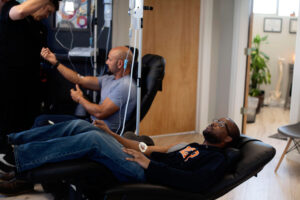
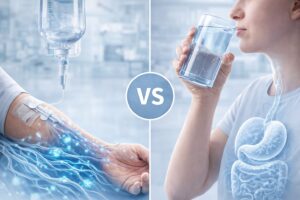
For this reason, many individuals begin exploring wellness strategies that support hydration, energy production, and tissue recovery. Some people incorporate therapies such as IV therapy or NAD therapy as part of a broader wellness routine designed to support physical resilience and cellular health.
Regenerative Wellness and Recovery Support
Regenerative wellness focuses on supporting the body’s natural biological systems rather than simply managing symptoms. The goal is to create conditions that allow the body to repair itself more effectively.
Within this approach, therapies may focus on supporting cellular energy, metabolic balance, and recovery processes. Treatments such as IV therapy, NAD therapy, and ozone therapy are sometimes explored within clinical wellness programs that aim to support overall health and recovery.
Each therapy works through different biological pathways, and medical professionals typically evaluate them based on individual health goals and history.
Recovery in Boulder’s Active Environment
Living at altitude while maintaining an active lifestyle places unique demands on the body. Physical exertion combined with environmental stress can make recovery even more important.

Understanding how the body responds to physical stress and how recovery can be supported allows individuals to maintain the activities they enjoy for many years.
For those interested in learning more about wellness strategies that support hydration, energy, and recovery, clinics like Awaken IV provide services designed to support active lifestyles and long term well being.
Frequently Asked Questions
How long does peptide therapy take to show results?
Response timelines can vary depending on the individual, the type of peptide being explored, and the context in which it is used. Recovery processes in the body often take time, and outcomes may differ from person to person.
Is BPC-157 used for injury recovery?
BPC-157 has been studied in research contexts for its potential involvement in tissue repair processes. Interest in this peptide often comes from individuals looking to support recovery mechanisms.
Can peptides replace physical therapy or rehabilitation?
No. Rehabilitation, proper medical care, and physical therapy remain essential components of injury recovery. Peptide therapy, when explored, is generally considered within a broader recovery strategy.