Best IV Therapy for Dehydration, Energy and Recovery
Hydration and energy are closely connected, yet many people only think about them when something feels off. Dehydration, low energy, and slow recovery can affect daily performance, physical activity, and overall well being.
Many people searching for the best IV therapy for dehydration and energy are not just looking for a quick fix. They are trying to understand which options may help support their body more effectively, especially when lifestyle, activity levels, or environmental factors increase physical demands.
In Boulder, where altitude and an active lifestyle are part of everyday life, hydration and recovery become even more important.
Key Takeaways
• Hydration, electrolytes, and nutrients all play a role in energy and recovery.
• IV therapy is often discussed as a way to support these processes more directly.
• The best approach depends on individual needs, activity level, and recovery goals.
Why Hydration and Energy Are Connected
The body relies on proper hydration to maintain circulation, support cellular function, and regulate energy levels. When hydration drops, performance often follows.
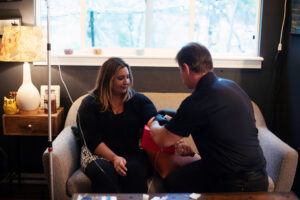
Electrolyte balance also plays a key role. These minerals help regulate muscle function, nerve signaling, and fluid distribution.
When dehydration and nutrient imbalance occur together, it can lead to fatigue, reduced focus, and slower recovery after activity.
This is why hydration is not just about water. It is about how fluids and nutrients work together inside the body.
How IV Therapy Is Used for Hydration and Recovery
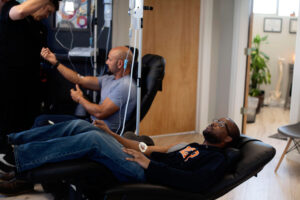
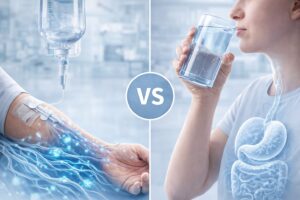
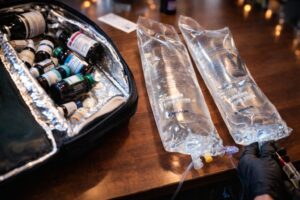
IV therapy delivers fluids and nutrients directly into the bloodstream. This bypasses the digestive system and allows the body to access hydration more quickly.
Because of this, IV therapy is often discussed in contexts such as dehydration, fatigue, and recovery after physical activity.
For individuals exploring hydration support, IV therapy in Boulder is commonly mentioned as an option that focuses on both fluids and nutrients.
Rather than replacing daily habits, it is typically considered part of a broader approach to wellness and recovery.
What Makes an IV Therapy Approach “Best”?
There is no single formula that works for everyone. The best approach depends on what the body needs at a given moment.
Hydration focused blends are often discussed when fluid loss is the main concern. These may include electrolytes that help restore balance.
Energy focused approaches may include nutrients that support metabolic processes and overall vitality.
Recovery focused options are often explored after physical activity, when the body needs support to restore balance and reduce fatigue.
Understanding your specific goal is what helps define the best approach.
Dehydration, Energy and Lifestyle in Boulder
Living in Boulder creates unique demands on the body. Altitude can increase fluid loss, while physical activity levels tend to be higher than average.
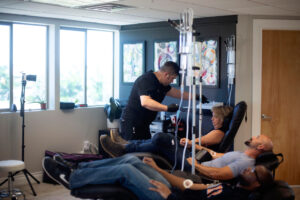
People who hike, climb, or train regularly may notice that hydration alone does not always feel sufficient.
This is why many individuals begin exploring different strategies to support recovery and energy more effectively.
Some look into NAD therapy when focusing on cellular energy, while others explore peptide therapy treatments as part of longer term recovery strategies.
Clinics such as Awaken IV focus on helping individuals understand how hydration, nutrients, and recovery work together.
If you are unsure which approach aligns with your needs, taking the peptide therapy quiz can help you explore options based on your goals.
If you prefer direct guidance, you can also contact our clinic to learn more about hydration and recovery focused services.
Conclusion
Hydration and energy are not separate issues. They are closely linked and influenced by multiple factors, including lifestyle, activity level, and environment.
IV therapy is often discussed as a way to support hydration and nutrient delivery more directly, especially in situations where the body needs additional support.
For individuals living in Boulder, where altitude and activity levels increase physical demands, taking a more intentional approach to hydration and recovery can make a meaningful difference.
Frequently Asked Questions
What is the best IV therapy for dehydration?
The best approach depends on your hydration level, activity, and overall needs.
Can IV therapy help with energy levels?
It is often discussed as a way to support hydration and nutrient delivery, which may influence energy.
How quickly does IV therapy work for hydration?
Because fluids are delivered directly into the bloodstream, hydration support is often described as more immediate.
Is IV therapy better than drinking water?
Both serve different roles. Water supports daily hydration, while IV therapy is often explored in specific situations.
How do I know which IV therapy is right for me?
Understanding your goals is key. The peptide therapy quiz can help guide your starting point.