Injury recovery is rarely as fast as we would like. Whether it is a strained tendon, joint discomfort that lingers, or a muscle that never fully feels the same, many people experience periods where healing takes longer than expected. Many people searching for BPC-157 and TB-500 recovery are looking for ways to support injury healing and improve recovery time.
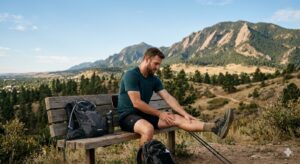
This becomes even more noticeable in places like Boulder. With hiking, climbing, trail running, and cycling as part of daily life, the body is constantly adapting to physical stress. While these activities support overall health, they also place repeated strain on connective tissues such as tendons and ligaments.
When recovery slows down, it is natural to look for ways to support the body’s healing process. This is where conversations around peptides such as BPC-157 and TB-500 have gained attention, particularly in the context of recovery and regenerative wellness.
Key Takeaways
• Connective tissues such as tendons and ligaments tend to heal more slowly due to limited blood flow.
• BPC-157 and TB-500 are peptides being studied for their role in tissue repair and recovery processes.
• Supporting recovery involves a combination of proper rest, hydration, and strategies that help the body restore balance.
Why Some Injuries Take Longer to Heal

Not all tissues recover at the same speed. Muscles often heal relatively quickly because they receive a strong blood supply. Tendons and ligaments, on the other hand, depend on more limited circulation, which can slow the delivery of oxygen and nutrients.
For active individuals, this creates a challenge. When the same areas are used repeatedly, even small amounts of strain can accumulate. Over time, this can lead to ongoing discomfort or recurring injuries that never fully resolve.
In Boulder, this pattern is common. Climbers may experience persistent strain in the elbows or shoulders. Runners often deal with knee discomfort, while cyclists may notice tightness or fatigue in the lower body. Without proper recovery, these issues can become long term limitations.
Understanding how the body heals is essential for maintaining performance over time.
What Are BPC-157 and TB-500?
BPC-157 and TB-500 are peptides that have been studied in relation to biological processes involved in tissue repair and recovery.
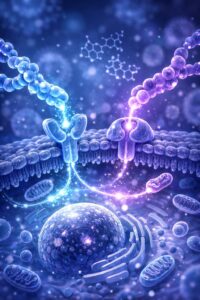
Peptides act as signaling molecules. They help regulate communication between cells and influence how the body responds to stress, injury, and inflammation.
Research has explored how BPC-157 may interact with pathways related to blood vessel formation and tissue regeneration, while TB-500 has been studied for its role in cellular movement and repair mechanisms.
Ongoing peptide research studies on tissue repair and regeneration continue to investigate how these processes function and how they may support recovery.
For individuals who want to understand how these approaches are discussed within clinical settings, resources such as peptide therapy treatments provide additional insight into how peptide based strategies are explored in regenerative wellness.
Why Active Individuals Are Paying Attention
Interest in these peptides often comes from people who want to stay active without being limited by slow recovery.
Some of the most common situations include ongoing joint discomfort, delayed recovery after training, or recurring injuries that affect performance.
In a place like Boulder, where physical activity is part of daily life, these concerns are especially relevant. Many people are not looking to reduce activity. Instead, they are looking for ways to support their body so they can continue doing what they enjoy.
This shift in mindset has made recovery just as important as training itself.
Supporting Recovery Beyond Rest
Recovery involves more than simply taking time off. It depends on how well the body can repair tissue and restore balance after physical stress.
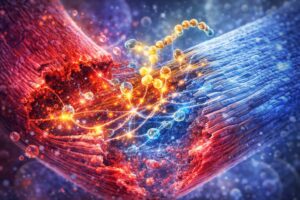
Sleep, hydration, and nutrition are the foundation. Without them, recovery slows regardless of any additional strategies.
Some individuals explore wellness approaches that support recovery more directly. For example, IV therapy is often used to support hydration and nutrient delivery after intense activity. Others explore options such as NAD therapy as part of broader strategies related to cellular energy.
Approaches such as ozone therapy are also discussed in relation to oxidative balance and immune response.
Each approach supports the body in a different way, and the right combination often depends on individual goals.
Recovery and Performance in Boulder
Boulder’s outdoor culture encourages movement and performance, but it also highlights the importance of recovery. Without proper support, even minor issues can develop into longer term problems.
Clinics such as Awaken IV focus on supporting individuals who want to maintain active lifestyles while prioritizing long term health.
If you are exploring peptide related recovery strategies, taking the peptide therapy quiz can help you better understand which approaches are commonly discussed based on your goals.
If you prefer direct guidance, you can also contact our clinic to learn more about recovery focused wellness options.
Conclusion
Recovery is a key part of staying active and maintaining performance over time. While the body has natural healing mechanisms, these processes can be influenced by activity level, lifestyle, and overall health.

Research into peptides such as BPC-157 and TB-500 continues to explore how cellular signaling may relate to tissue repair and recovery. Although this field is still evolving, it has become an important part of conversations around regenerative wellness.
For individuals in Boulder, understanding recovery is not just about healing. It is about staying active, maintaining performance, and supporting long term well being.
Frequently Asked Questions
What are BPC-157 and TB-500 used for?
These peptides are studied in relation to biological processes involved in tissue repair and recovery.
Why do tendon injuries take longer to heal?
Tendons receive less blood flow than muscles, which can slow down the delivery of nutrients needed for repair.
Can active lifestyles increase injury risk?
Yes. Repeated physical stress without proper recovery can lead to accumulated strain in joints and connective tissue.
How can hydration support recovery?
Hydration helps improve circulation and nutrient delivery. Some individuals explore IV therapy to support hydration after intense activity.
When should someone explore recovery strategies?
If recovery becomes slower or discomfort persists, it may be helpful to explore options that support the body’s healing processes.