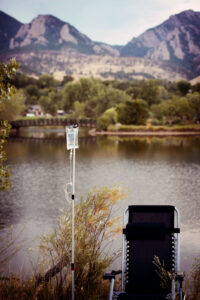
Living in Boulder means living at altitude. At 5,430 feet, the body is constantly adapting to lower oxygen availability and higher physiological demand.
For many people this is barely noticeable. For others, especially those with demanding lifestyles or intense training schedules, the body may feel the difference over time.
Energy levels fluctuate. Recovery can take longer. Mental clarity may feel inconsistent.
This is where understanding cellular energy systems becomes important.

One of the most discussed molecules in this conversation is NAD+.
What NAD+ Actually Does in the Body
NAD+, short for nicotinamide adenine dinucleotide, is a coenzyme present in every cell of the body.
Its primary role is helping cells produce energy.
Inside each cell, tiny structures called mitochondria convert nutrients and oxygen into ATP, which is the molecule that powers nearly every biological process.
NAD+ plays a central role in this system. Without it, mitochondria cannot efficiently produce cellular energy.
Beyond energy production, NAD+ also supports processes involved in:
-
Cellular repair
-
Metabolic regulation
-
Stress response
-
Mitochondrial function
This is why NAD+ has gained attention in conversations about fatigue, recovery, and long-term health.
For a broader understanding of how altitude affects physiology, you can also read our guide on Altitude Physiology Optimization in Boulder.
Why Altitude Changes the Energy Conversation
At sea level, oxygen availability is higher. The body can often meet energy demands with less effort.
At altitude, the situation is slightly different.
Lower oxygen pressure means the body must work harder to maintain efficient energy production. Over time, this can increase reliance on mitochondrial efficiency.
For individuals already operating at high output, this may influence:
-
Energy consistency
-
Recovery between workouts
-
Cognitive endurance during long workdays
This does not mean altitude is harmful. In many cases, altitude improves resilience and cardiovascular adaptation.
However, it also increases the importance of supporting the systems responsible for energy production.
That is where NAD+ sometimes becomes part of the conversation.
NAD+ and Mental Performance
Energy is not only physical. The brain is one of the most energy-demanding organs in the body.
Many professionals in Boulder work in environments that require sustained focus, problem solving, and decision making for long periods of time.
When cellular energy systems are under strain, people may notice symptoms such as:
-
Brain fog
-
Reduced concentration
-
Mental fatigue
-
Slower recovery after intense workdays
Because NAD+ is involved in mitochondrial energy production, it is sometimes considered in clinical strategies focused on cognitive resilience and recovery.
Research from the National Institutes of Health on mitochondrial function highlights the central role these systems play in cellular energy and neurological function.
Fatigue Is Not Always About Sleep

When people feel tired, the first assumption is usually sleep.
Sleep is extremely important, but fatigue can also reflect how efficiently cells produce energy.
At altitude, multiple factors can influence this balance:
-
Oxygen availability
-
Hydration status
-
Oxidative stress
-
Recovery patterns
If fatigue persists despite adequate rest, a deeper evaluation may be helpful.
Our article on Fatigue Evaluation and IV Therapy in Boulder explains how these patterns are assessed before considering treatment options.
Who May Consider NAD+ Therapy
NAD+ therapy is not necessary for everyone. Many people function perfectly well without additional support.
However, some individuals explore NAD+ therapy in clinical settings when they are experiencing:
-
Persistent fatigue
-
Slower recovery from training
-
High cognitive workload
-
Interest in long-term cellular resilience
In Boulder, this often includes athletes, entrepreneurs, professionals, and individuals focused on maintaining consistent performance at altitude.
A Structured Approach to NAD+ Therapy

One of the most important distinctions is how NAD+ therapy is approached.
In many places, treatments are offered as quick menu options. However, cellular therapies tend to work best when they are integrated into a broader recovery strategy.
At Awaken IV, NAD+ therapy is typically considered within a structured framework that evaluates:
-
Fatigue patterns
-
Lifestyle demand
-
Hydration and recovery
-
Individual health context
You can learn more about the treatment itself on our NAD+ Therapy in Boulder page.
Performance, Recovery, and Long-Term Energy
In high-performing environments like Boulder, people often focus on output. Training harder. Working longer. Pushing limits.
But long-term performance depends just as much on recovery and cellular capacity.
NAD+ is not a shortcut to energy.
It is one of the molecules involved in the systems that sustain it.
For individuals interested in understanding whether NAD+ therapy may be appropriate, the best starting point is a clinical conversation.
You can reach our team through the Awaken IV consultation page to learn more about how altitude-informed care may support your goals.