
Understanding StemWave Therapy and Its Impact on Joint Pain Treatment
StemWave therapy is an innovative, non-invasive treatment that leverages Cellular Response Technology to target the root cause of joint pain. In contrast to traditional treatments that merely alleviate symptoms, StemWave triggers the body’s natural healing mechanisms to deliver enduring relief. The technology employs low-intensity focused waves that are accurately directed to the affected areas, fostering healing without the need for medications or surgery.
StemWave is a cutting-edge treatment that is gaining popularity in the medical field. It is now used by top medical institutions and offered in over 500 medical offices throughout the United States. What sets StemWave apart is its ability to treat joint pain without the side effects and recovery time associated with conventional treatments. For many patients who suffer from chronic joint pain, this offers a new way to find relief without relying on pain medications or undergoing extensive rehabilitation.
StemWave’s increasing popularity is a result of its clinical effectiveness and practical benefits. Treatments are fast (usually 3-8 minutes), targeted, and enable patients to immediately resume their normal activities. This convenience has made StemWave a game-changer for both providers and patients looking for alternatives to traditional joint pain management methods.
Understanding the Process of StemWave Therapy for Joint Pain Relief
StemWave Therapy’s success in relieving joint pain is due to its innovative use of focused wave technology, which is applied directly to the joints that are causing discomfort. The device is positioned on the problem area, and it then emits carefully measured low-intensity waves that reach deep into the layers of tissue. These mechanical forces initiate a series of biological reactions in the joints and nearby tissues, treating the root cause of the pain instead of just hiding the symptoms.
Understanding the Mechanism of Cellular Response Technology
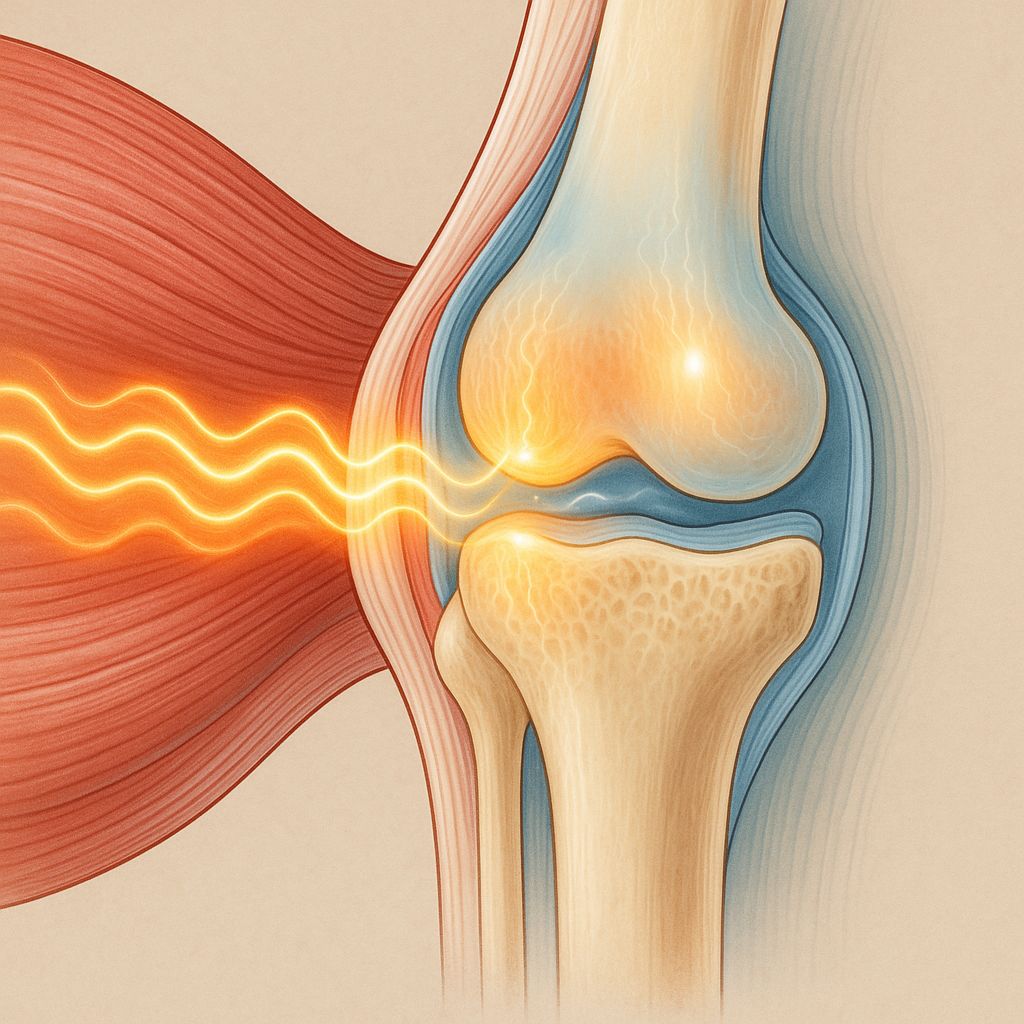
The key to StemWave therapy is its unique Cellular Response Technology™. This electrohydraulic system generates concentrated waves that stimulate connective tissue. When these waves come into contact with joint tissues, they cause microscopic damage that triggers the body’s healing process. This targeted stimulation promotes increased blood circulation in the area, delivering oxygen and nutrients necessary for recovery.
StemWave Therapy targets not just the joint, but also the surrounding muscles, tendons, and ligaments that contribute to pain and dysfunction. This all-encompassing approach treats both the symptoms and the underlying causes of joint pain. The technology is incredibly precise, with 25 different energy levels that can be adjusted to the specific needs and pain thresholds of each patient.
What Happens During a Treatment Session?
Most people find StemWave treatments to be quite simple and easy to handle. Your provider will first determine the exact area that needs to be treated. Then, they will apply a special gel to that area to make sure the waves from the StemWave device can be transmitted as effectively as possible. The device is placed right on the skin above the joint that’s causing you pain. Your provider will then choose the right treatment settings for your specific condition and level of sensitivity.
As the treatment lasts between 3-8 minutes, you may experience a tapping feeling as the waves travel through the tissue. This sensation is typically described as mild and completely bearable, unlike the discomfort that can be associated with certain conventional therapies. The treatment is non-invasive, so there’s no requirement for anesthesia, injections, or cuts. Following your session, there’s no recovery time – you can go back to your usual activities straight away, making it perfect for busy people looking for pain relief without any interruption to their daily lives.
Joint Conditions That StemWave Works Best On
StemWave therapy has produced promising results for a variety of joint conditions, with knee pain treatment showing particularly notable success. Patient testimonials have reported significant improvements for conditions such as torn meniscus, with one patient named Lauren saying: “I’m amazed at the response I’ve gotten in such a short amount of time. I am no longer in pain.” The technology is versatile enough to treat over 150 different areas throughout the body.
“The pain is 100% less after doing my StemWave treatment. This is going to change my life!” – Claire (Knee Pain)
Beyond knee issues, StemWave has demonstrated effectiveness for conditions including plantar fasciitis and patellar tendinopathy. The technology’s ability to deliver precise treatment to specific areas makes it suitable for both large and small joints throughout the body. Because the system offers 25 different energy levels, providers can tailor treatments to address specific joint conditions with appropriate intensity, making it a versatile option for comprehensive joint pain management.
5 Reasons Why StemWave is Better Than Traditional Joint Pain Treatments
StemWave has several unique benefits over traditional joint pain treatments that make it a great option for patients looking for relief. It’s effective, convenient, and has minimal side effects, which makes it stand out in the world of pain management. For those interested in alternative therapies, consider exploring PRP joint injections for natural arthritis relief. Let’s take a look at the main reasons why StemWave is becoming more and more popular among patients and providers.
1. A Non-Surgical Option
StemWave is an attractive alternative to surgery for many joint issues. Surgery requires cuts, anesthesia, and a lot of recovery time, but StemWave treatments are completely non-invasive and external. The focused waves go through the skin without breaking it, removing the risks of infection, scarring, and complications that come with surgery.
StemWave is often a welcome alternative for patients who have been told surgery is their only option. It can deliver meaningful pain relief without the trauma of an operation. Many patients have been able to postpone or completely avoid joint surgeries after successful StemWave treatment courses. This non-invasive approach is particularly valuable for older patients or those with conditions that make them poor surgical candidates.
2. A Solution for Pain Management Without Drugs
StemWave provides a solution for pain management that doesn’t involve drugs, which is a welcome approach in a time when there is growing worry about dependence on medication. The treatment doesn’t require the use of painkillers, anti-inflammatories, or steroid medications. This eliminates worries about side effects, interactions with other drugs, or problems with dependency that can come with pharmaceutical approaches to joint pain.
StemWave is a perfect option for patients who are allergic to certain medications, those who are already taking multiple drugs for other health conditions, or people who just want to limit their drug intake. The lack of drugs also means there are no hidden symptoms that could prevent important diagnostic information from being discovered – StemWave treats the root cause of the problem instead of just temporarily numbing the pain.
3. Fast Treatment Sessions with No Downtime
One of the greatest benefits of StemWave is the speed of treatment and the ability to get back to your regular routine right away. Sessions usually only last between 3-8 minutes, so they can easily be squeezed into even the most hectic of schedules. Unlike treatments that require rest or rehab after the fact, with StemWave you can get right back to your day-to-day life after each session.
The lack of downtime is a major advantage for those who lead active lives or have demanding jobs. The speed and efficiency of the treatments also make it easier for patients to stick to their treatment plans and reduces the amount of time they need to commit to the full course of treatment. For many, this convenience is a major factor in choosing this treatment over others that require more time.
4. Effectively Targets Multiple Joint Areas
The flexibility of StemWave makes it capable of treating a variety of joint issues throughout the body. With over 150 possible treatment areas and adjustable settings, the technology can be fine-tuned to target specific joint problems with incredible precision. This ability to treat multiple areas means that patients with several troubled joints can receive a thorough treatment within the same therapeutic method.
The accuracy of this treatment means that providers can not only treat the main source of pain but also treat any contributing factors in the surrounding tissues. For patients with complicated or overlapping joint conditions, this holistic approach provides a more comprehensive solution than treatments that only focus on one specific point of pain. The ability to treat different joints using the same technology also makes the treatment process more efficient for individuals with multiple areas of pain.
5. Stimulates the Body’s Own Healing Mechanisms
The most significant benefit of StemWave might be how it works – it prompts the body’s own healing capabilities instead of circumventing them. The targeted waves increase blood flow to the area being treated, delivering oxygen and nutrients necessary for tissue healing and renewal. This natural method is in line with the increasing interest in treatments that cooperate with the body rather than substituting or overriding its functions.
StemWave works by encouraging the body’s own healing processes, which means the improvements it creates are long-lasting rather than just temporarily relieving symptoms. The technology works with the body’s own wisdom, providing the stimulus it needs to restart healing processes that may have become stuck in chronic conditions. For patients looking for holistic approaches to joint health, this focus on natural recovery is a major philosophical and practical benefit.
Actual Outcomes: Patient Triumphs with StemWave Therapy
The real test of any medical technology is in patient results, and StemWave has gathered an impressive array of triumphs from people who have experienced significant pain relief. Across a variety of joint conditions, patients report improvements that have enabled them to return to activities they had given up due to pain and restriction. These real-life outcomes offer convincing proof of StemWave’s efficacy beyond clinical trials and lab data.
Doctors have also seen incredible changes in their patients. Dr. Davis from Brainerd, MN says: “We know within one or two treatments, the StemWave technology is going to work and give us consistent reliable results.” This quick reaction is a common theme in patient testimonials, with many noting noticeable improvements after just one or two sessions – a stark contrast to some traditional therapies that can take weeks or months to show benefits.
Success Stories of Knee Pain Relief
StemWave therapy has been particularly effective for those suffering from knee pain. One such patient, Claire, experienced chronic knee pain before trying StemWave therapy. After her treatment, she said, “The pain is 100% less after doing my StemWave treatment. This is going to change my life!” Claire’s experience is not unique. Many knee pain sufferers report not only a reduction in pain but also a significant increase in functionality.
- Easing symptoms of osteoarthritis, including less stiffness and better movement
- Successfully treating meniscus tears without the need for surgery
- Improving conditions of patellar tendinopathy
- Lessening knee inflammation and swelling
- Getting back to activities like walking, climbing stairs, and light exercise
Lauren, who had a torn meniscus, said, “I’m amazed at the response I’ve gotten in such a short time. I’m not in pain anymore.” This kind of feedback shows that StemWave can treat even structural joint issues that may have traditionally been seen as needing surgery. Many patients find that the therapy not only lessens pain but also improves how their knee works and is stable during everyday activities.
StemWave has shown to be a valuable solution for athletes suffering from sports-related knee injuries. Its non-invasive treatment and zero recovery time are especially appealing to athletes who want to keep up with their training routines while managing their joint pain. Many patients have reported that they were able to go back to running, cycling, and other high-impact sports after finishing their StemWave treatment plans.
StemWave therapy has proven effective even for those with chronic knee problems. Some patients who had been told they needed knee replacement surgery have been able to delay or completely avoid the procedure after undergoing StemWave therapy. This option to bypass major surgery is one of the most significant advantages of the technology for those suffering from severe knee pain.
Effectiveness for Various Joint Conditions
- Knee conditions: 80-90% of patients experience a significant reduction in symptoms
- Plantar fasciitis: Over 75% have a substantial decrease in pain
- Shoulder pain: Approximately 70% have increased comfort and range of motion
- Hip joint problems: 65-75% have increased mobility and less pain
- Ankle sprains and chronic pain: 70-80% heal faster
StemWave is not just for knees. It’s been shown to be effective for many other joint conditions. Many people with plantar fasciitis experience a lot of relief after a series of treatments. They often have less pain in the morning and are more comfortable when they walk. The fact that StemWave can penetrate deep into fascial tissue makes it especially good for this common but hard-to-treat condition.
People with shoulder pain have also reported great results, especially those with problems in the rotator cuff, frozen shoulder, or general joint inflammation. The accuracy of StemWave allows doctors to treat specific parts of the shoulder complex, which results in an improved range of motion and less pain. Many patients have found that they can return to activities that require them to lift their arms overhead and sleep comfortably on the side that was affected after treatment.
Dr. Saeedpour from Nashville, TN, has seen similarly promising results for hip and ankle conditions, although the response rates can differ slightly depending on the specific diagnosis and severity. He says, “The results have been pretty amazing so far. I have patients who are so excited that they text me as soon as they get home after just one visit.” This enthusiastic response shows that the technology can provide quick relief for complex joint problems that have not responded to traditional treatments.
How Does StemWave Stack Up Against Other Joint Pain Treatments?
Before you choose a treatment for joint pain, you’ll want to know how StemWave stacks up against more conventional methods. Each one has its own unique benefits, drawbacks, and ways of working, which can make it more or less appropriate for particular patients and conditions. By comparing them, you can get a better idea of where StemWave fits in the larger picture of joint pain treatment.
StemWave Therapy versus Pain Medication
While pain medications such as over-the-counter NSAIDs and prescription pain relievers can provide temporary relief, they often do not address the underlying issues causing joint pain. While these medications can provide quick relief, they often require continuous use and can cause side effects ranging from stomach irritation to dependency issues with stronger prescriptions. In contrast, StemWave therapy stimulates the body’s natural healing processes to address the root causes of joint pain, potentially providing longer-lasting relief without the side effects associated with pharmaceuticals.
Where medication merely disguises pain signals, StemWave actually improves the joint environment through increased circulation and cellular activity. Many patients like the fact that StemWave lets them reduce or eliminate the use of pain medication, especially those who are worried about the long-term effects of medication or who have adverse reactions to common pain relievers. This makes StemWave particularly useful for patients who want to minimize the use of pharmaceuticals. For more information, you can learn about StemWave Therapy and its benefits.
StemWave Compared to Physical Therapy
StemWave and physical therapy are both centered around the idea of promoting natural healing. However, they go about this in different ways. Physical therapy is designed to improve joint function through targeted exercises, stretching, and manual techniques that strengthen supporting muscles and improve movement patterns. These approaches usually require a significant time commitment and active patient participation over weeks or months to achieve results.
StemWave works in harmony with physical therapy by directly activating cellular responses within the joint tissues themselves. Many providers find that combining StemWave with the correct physical therapy produces improved results, as the improved cellular environment created by StemWave therapy makes the tissues more responsive to physical therapy interventions. Rather than competing approaches, these treatments often work in synergy, with StemWave potentially speeding up the timeline for physical therapy benefits.
StemWave Therapy versus Cortisone Shots
Cortisone shots are a potent anti-inflammatory treatment that can be injected directly into a painful joint, providing significant, albeit temporary, relief that usually lasts a few weeks to a few months. These shots are effective for treating acute inflammation, but they have limitations. For example, patients are typically only allowed to receive 3-4 cortisone shots per year because repeated exposure to steroids can potentially damage tissues. The injection process can also be uncomfortable and carries a small risk of infection or tissue atrophy. Alternatively, StemWave Therapy offers a non-invasive option for managing chronic pain.
StemWave is a needle-free alternative that can be used more frequently without the cumulative risks associated with steroid use. Instead of chemically suppressing inflammation, StemWave stimulates the body’s regulatory mechanisms to naturally address inflammation. For patients who have reached their yearly limit on cortisone injections or who prefer to avoid needles, StemWave is a desirable non-invasive option that can be used as needed without the same restrictions.
Comparing StemWave Therapy and Surgical Treatments
Joint pain can be treated with a variety of surgical methods, from arthroscopic procedures to partial or total joint replacements. The choice of treatment depends on how severe the joint pain is. However, these treatments come with significant risks, recovery time, and possible complications. Complications can include infections, blood clots, and reactions to anesthesia. While surgery might be necessary for severe structural damage to the joint, many patients prefer to avoid or delay surgery if possible.
StemWave has helped many patients delay or completely avoid surgery by offering enough pain relief and functional improvement through non-invasive methods. The lack of recovery time, surgical risks, and permanent changes to anatomy make StemWave an attractive first-line treatment, even for conditions that are traditionally considered surgical. For suitable candidates, trying StemWave before deciding on surgery is a low-risk approach that maintains surgical options if needed later while potentially saving patients from unnecessary procedures.
Choosing the Best StemWave Provider for Your Joint Pain
StemWave therapy’s success largely hinges on the provider’s skill and correct application. This treatment is now offered in more than 500 medical offices throughout the country, making it more accessible than ever. Nonetheless, it’s vital to find a provider with specific StemWave experience and the right training to ensure the best results.
Questions to Consider Before Beginning Therapy
- How many StemWave therapies have you administered, and what kind of outcomes have your patients generally seen?
- What is your success rate for my particular joint issue?
- How many sessions do you think I’ll require, and how often should they be scheduled?
- What kind of results should I realistically expect, and when should I start seeing improvement?
- Are there any activities or preparations I need to do before or after the therapy?
- If StemWave doesn’t provide enough relief, what other therapies should I consider?
- How do you decide on the best therapy parameters for my issue?
These questions are designed to set realistic expectations and to ensure that your provider has the necessary experience with StemWave technology. A competent provider should be able to explain their strategy in a clear manner and discuss the potential advantages and drawbacks of the therapy for your particular issue. They should also be open to discussing how StemWave could fit into a larger therapy plan that may include complementary therapies.
What to Look for in a StemWave Provider
When seeking out a StemWave provider, you should look for someone who is not only technically proficient, but also has the clinical judgment to apply the technology in the most effective way. It’s important to find a provider who has completed comprehensive training through StemWave’s official programs and who regularly updates their knowledge as the technology advances. Providers who understand how to tailor treatment parameters to specific joint conditions and individual patient needs tend to have better results than those who use a one-size-fits-all approach.
Experience counts a lot – providers who have dealt with several patients with your specific condition will be more equipped to optimize results. Many competent providers will have before-and-after documentation of patient outcomes and specific protocols developed for different joint issues. Aside from technical qualifications, the best providers take time to thoroughly assess your condition, explain the treatment process clearly, and set realistic expectations for your particular situation.
What to Expect from a StemWave Therapy Treatment Plan
StemWave therapy is not a one-size-fits-all treatment. Instead, it is carefully tailored to each patient’s specific joint condition and response to treatment. Before starting treatment, most providers will conduct a thorough evaluation. This will involve assessing your baseline pain levels, functional limitations, and treatment goals. This evaluation will allow your provider to determine the best treatment parameters for you, including the intensity levels, precise targeting locations, and overall treatment schedule. Knowing what to expect from the treatment journey can help you prepare both mentally and practically for the commitment involved.
How Many Sessions You’ll Likely Need
Everyone is different, and the number of treatments you’ll need depends on how severe your condition is and how quickly your body heals. However, most people with joint pain find that they get the best results from a series of StemWave treatments, rather than just one. You might start with 3-6 treatments spread out over a few weeks, with each treatment building on the progress of the last. If your condition is acute and just started recently, you might see a lot of improvement after just 1-2 treatments. But if you’ve had your condition for months or years, you might need a longer treatment plan of 6-12 sessions to get the best results.
Once the first round of treatment is over, some patients might find that maintenance sessions every now and then help keep their improvements, especially for conditions that get worse over time. Your doctor should keep an eye on how you’re doing throughout the treatment and change their advice based on how you’re responding, which might mean adding or taking away sessions as needed. This way, you get the right amount of treatment without any sessions that aren’t needed.
When to Expect Improvement
Many people say they feel better after their first StemWave treatment, with less pain and better movement often noticeable within 24-48 hours of the first session. This quick relief is shown in patient stories like Claire’s: “The pain is 100% less after doing my StemWave treatment.” However, the full benefits usually build up over the treatment course as cell responses build up and tissue healing gets better.
Most patients start to see notable improvements by the third or fourth session, and these improvements continue to develop throughout the treatment plan. The body’s healing processes continue to work between sessions and even after the treatment series is over, so some patients continue to see improvements for several weeks after their last treatment. Your provider will let you know when you can expect to start seeing changes and how these improvements will likely progress over time.
The speed and extent of your response to StemWave may be influenced by your age, general health, how long you’ve had your condition, and lifestyle factors like diet and exercise. Patients who combine StemWave with recommended complementary approaches such as appropriate exercise, proper hydration, and anti-inflammatory dietary choices often experience more rapid and comprehensive improvements than those relying solely on the treatments.
Price and Insurance
The cost of StemWave therapy is determined by a variety of factors, including the provider, location, and the number of sessions required. The cost per session is typically between $120 and $250. Many providers offer package deals for a series of treatments, which can save patients money if they commit to a full treatment plan. Currently, insurance coverage for StemWave is limited, as it is for many new technologies. However, some patients may be able to use their HSA or FSA to pay for treatment, and some providers offer payment plans to make the therapy more affordable.
Regain Control of Your Life

You don’t have to live with joint pain or rely on medications that stop working over time. StemWave therapy is a groundbreaking treatment that uses your body’s natural healing ability to treat joint pain at its source. Its non-invasive nature, lack of downtime, and high success rates make StemWave a promising option for those who have been dealing with chronic joint pain or want to avoid more invasive treatments.
With the increasing availability of StemWave throughout the country, this revolutionary therapy is now accessible to more patients. By working with a trained provider to develop a personalized treatment plan, you can take a proactive approach to joint health that focuses on healing rather than merely managing symptoms. Learn how StemWave’s Cellular Response Technology can help you regain the active, comfortable lifestyle that joint pain has taken away.
Common Questions
If you’re thinking about trying StemWave therapy, you probably have a lot of questions about how it works, how effective it is, and what you can expect. We’ve compiled the answers to some of the most frequently asked questions, based on our clinical experience and what our patients have told us. This information should help you decide whether StemWave could be the right treatment for your joint pain.
Does StemWave therapy hurt while it’s being administered?
Generally, patients report that StemWave therapy doesn’t cause much discomfort during the treatment. You might feel a tapping or pulsing sensation as the waves go into the tissue, but even people who are sensitive typically tolerate this well. The intensity levels can be adjusted by providers to make sure you’re comfortable, but the treatment is still effective. Some patients report a mild soreness in the area where they were treated after their session, which is similar to how you might feel after you exercise, but this usually goes away within 24 hours and is often followed by a noticeable relief from pain.
StemWave therapy does not involve needles or incisions, so there is no sharp pain as with injections or surgery. This makes it a good option for people who have a low pain threshold or who are nervous about medical procedures. Most people find the treatment sessions short and comfortable, and they can read, relax or chat during them.
What is the typical duration of StemWave therapy results?
The duration of StemWave therapy results can vary depending on your specific condition, overall health, and whether you address contributing factors such as posture, movement patterns, and activity level. Many patients experience relief lasting 6-12 months or longer after a complete treatment series, especially for conditions like plantar fasciitis or tennis elbow. For degenerative conditions like osteoarthritis, where the underlying joint changes continue to progress, periodic maintenance sessions every 3-6 months often help maintain improvements and manage symptoms over the long term.
The duration of the results can be extended by adhering to the recommended post-treatment guidelines, maintaining a level of physical activity that promotes joint health without overexerting yourself, and addressing any biomechanical issues that may be causing stress on your joints. Your provider should talk to you about what you can realistically expect for your specific condition and recommend a suitable follow-up schedule based on how you initially respond to treatment and your ongoing needs.
Is it possible to use StemWave in conjunction with other treatments for joint pain?
StemWave is a fantastic addition to any comprehensive joint health program and can be safely combined with many other treatment methods. Many practitioners incorporate StemWave with physical therapy, suitable exercise, nutritional support, and movements that are beneficial to the joints for improved outcomes. The cellular stimulation that StemWave provides often makes tissues more receptive to other therapeutic treatments, resulting in synergistic effects when treatments are correctly coordinated. For example, some practitioners use PRP for arthritis alongside StemWave for enhanced joint healing.
While StemWave can be used alongside most non-invasive treatments, your provider may recommend timing adjustments when combining it with certain interventions. For example, they might suggest separating StemWave sessions from cortisone injections by several weeks to allow each treatment to work optimally. Always inform your StemWave provider about other treatments you’re receiving to ensure proper coordination and avoid potential conflicts in your overall care plan.
Does StemWave therapy have any side effects?
Compared to many joint pain treatments, StemWave therapy is very safe with few side effects. The most common side effects include temporary mild redness at the treatment site, minor soreness for 24-48 hours after treatment, and occasionally a brief worsening of symptoms before they start to improve. These side effects are a sign that the body’s healing processes are working and usually go away quickly on their own. Serious side effects are extremely rare when the treatment is done correctly.
Who should avoid StemWave joint pain treatment?
StemWave isn’t suitable for everyone suffering from joint pain. It’s generally not recommended for patients with active cancer in the treatment area, acute infections, certain blood clotting disorders, or who are pregnant. It’s also not advised to use StemWave therapy directly over metal implants, pacemakers, or other implanted electronic devices. Patients with severe osteoporosis may need the treatment parameters to be adjusted. Your provider will need to thoroughly review your health history to determine if StemWave is right for you. If there are potential concerns, they may ask for medical clearance from your primary physician.
If you have a complicated medical history or multiple health issues, a team effort that includes your regular doctor and a StemWave expert can make sure the treatment plan takes care of your joint pain while also taking your other health issues into account. Most trustworthy providers will turn down treatment if they think the risks are bigger than the possible benefits in your particular case, or they may suggest adjusted approaches that are safe but still offer therapeutic benefit.
If you want to know whether StemWave therapy could be the answer to your joint pain, you should arrange a consultation with a professional provider. They will be able to assess your condition, talk through your treatment options, and decide whether this cutting-edge joint pain relief method is right for you.
Summary
- StemWave therapy utilizes Cellular Response Technology to deliver low-intensity focused waves that stimulate the body’s natural healing processes in painful joints without the use of drugs or surgery.
- The treatment sessions are quick (3-8 minutes), non-invasive, and require no recovery time, which makes it an attractive alternative to traditional treatments for joint pain.
- StemWave is effective for a variety of joint conditions, including knee pain, and can be precisely targeted across 150+ treatment zones and 25 different energy levels.
- StemWave therapy is now offered in over 500 medical offices in all 50 states, reflecting its increasing acceptance in mainstream pain management.
- Many patients report significant pain reduction after just 1-2 treatment sessions, although individual results and treatment plans may vary depending on the condition.
Joint pain is a daily reality for millions of Americans, limiting their mobility and reducing their quality of life. While traditional treatments often rely on medications or invasive procedures, innovative technologies are being developed that leverage the body’s natural healing abilities. StemWave therapy is one of the most promising developments in non-invasive joint pain management today.