IV Therapy
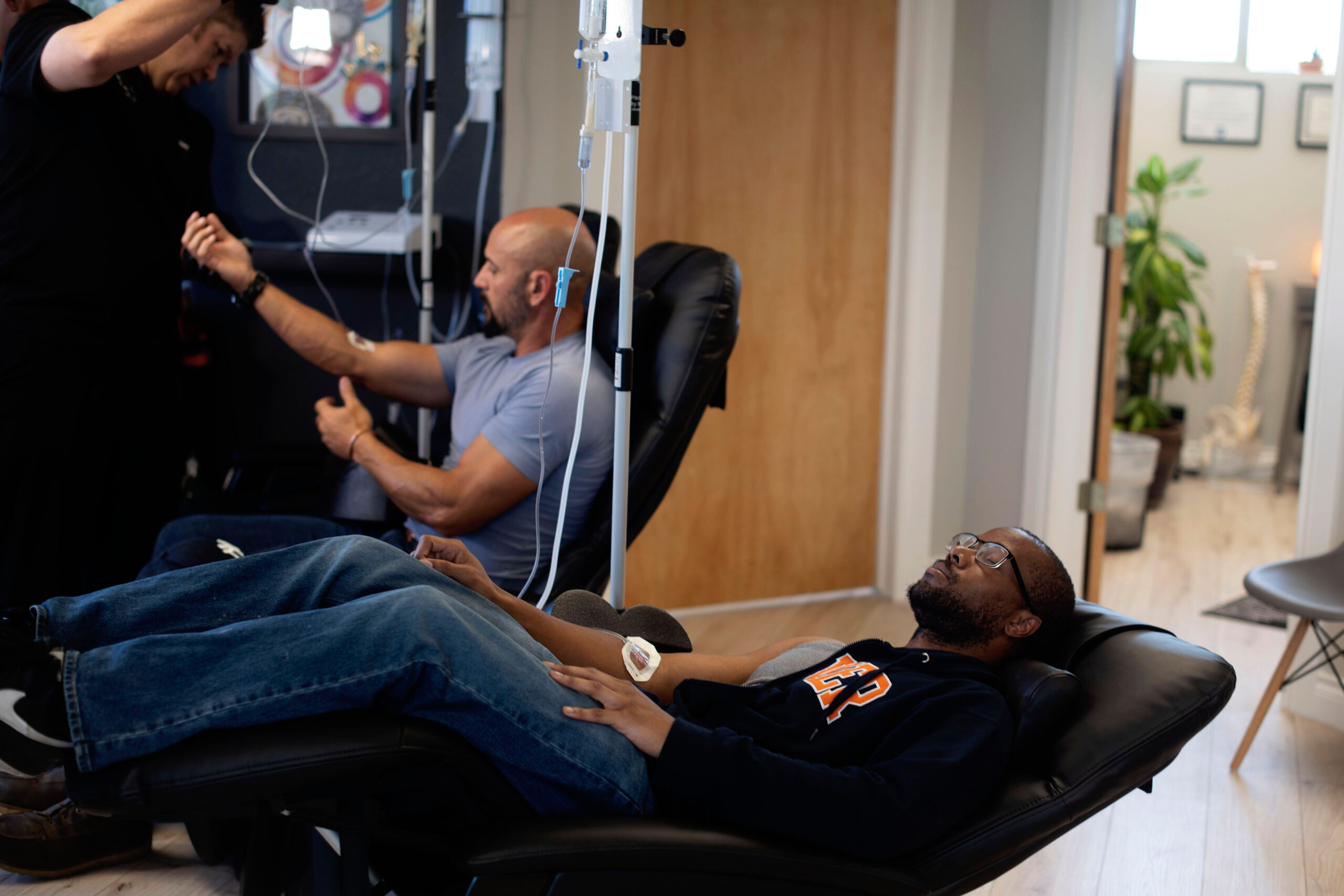
Fatigue is one of the most common concerns people experience, yet it can be difficult to address. Feeling constantly tired, lacking energy, or struggling to
Fatigue is one of the most common concerns people experience, yet it can be difficult to address. Feeling constantly tired, lacking energy, or struggling to
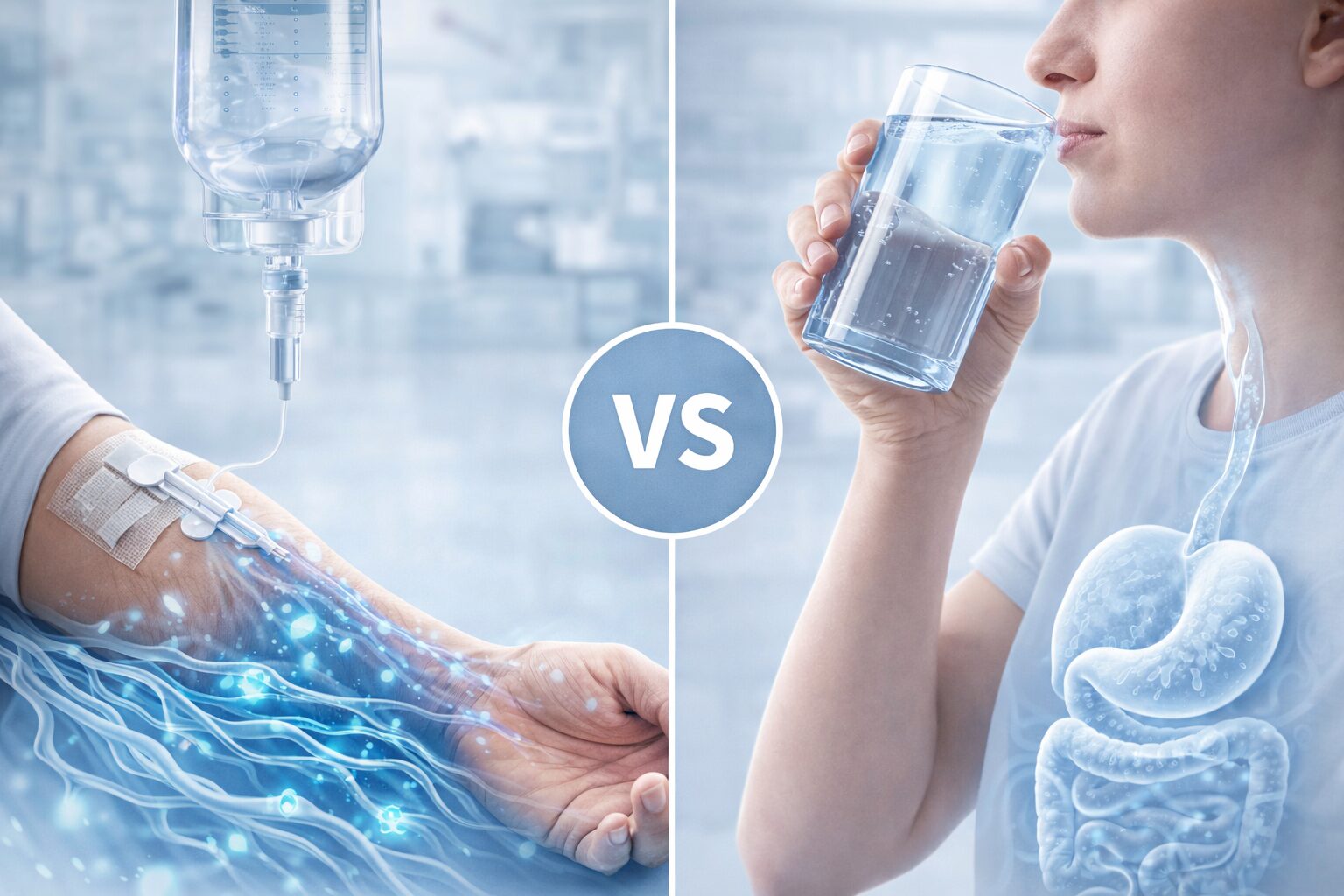
Hydration is one of the most important aspects of overall health, yet it is often misunderstood. Many people assume that drinking more water is always
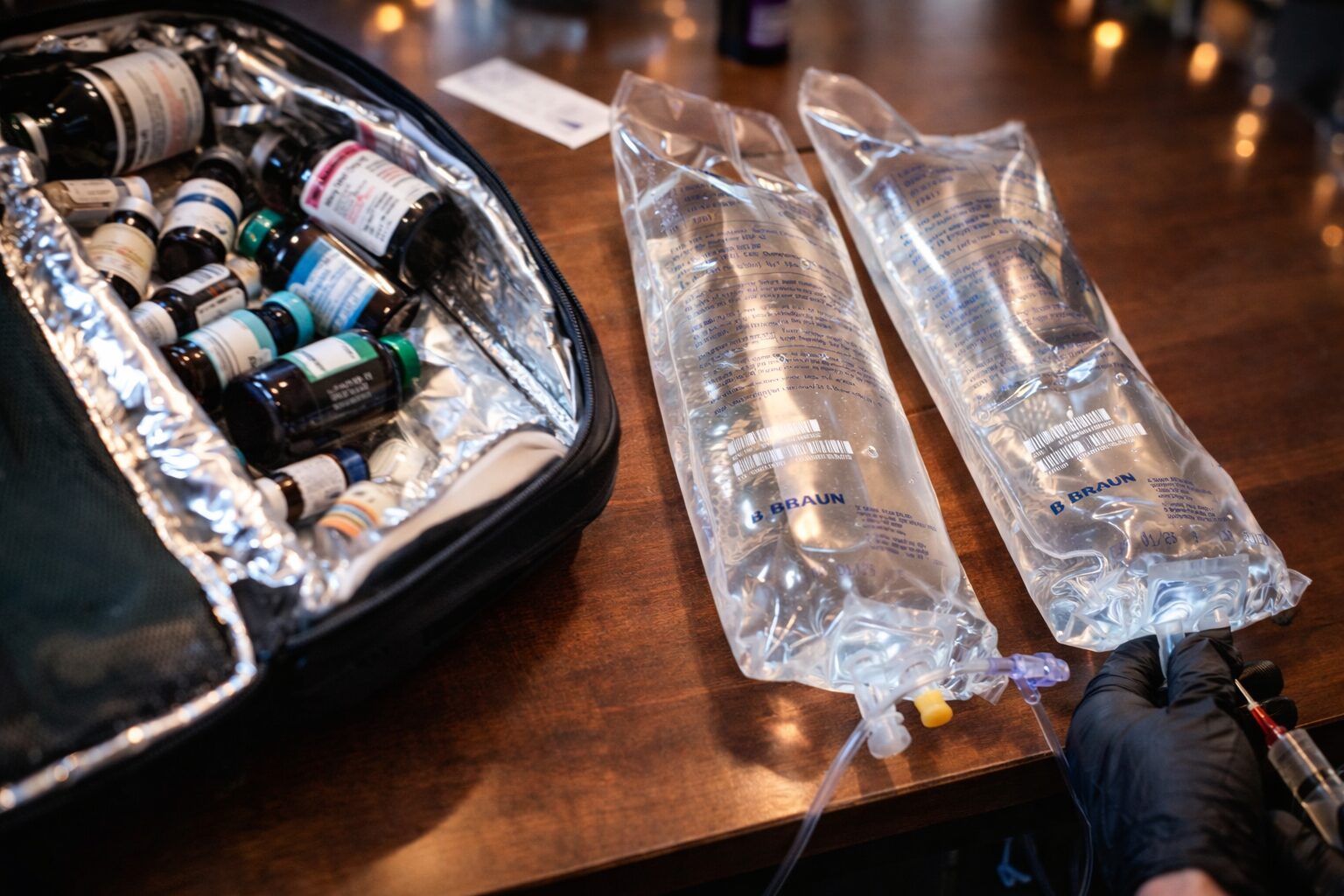
When people begin exploring peptide based wellness approaches, one of the first questions that comes up is safety. It is a reasonable concern. Any decision

When people begin exploring peptide based approaches, one of the most common questions is how long it takes to notice results. It is a natural

Injury recovery is rarely as fast as we would like. Whether it is a strained tendon, joint discomfort that lingers, or a muscle that never

When it comes to improving energy, recovery, and overall wellness, many people begin exploring different options that go beyond basic nutrition and exercise. Two approaches

Energy levels, sleep quality, and recovery are closely connected. When one of these areas is affected, the others often follow. Many people begin to notice
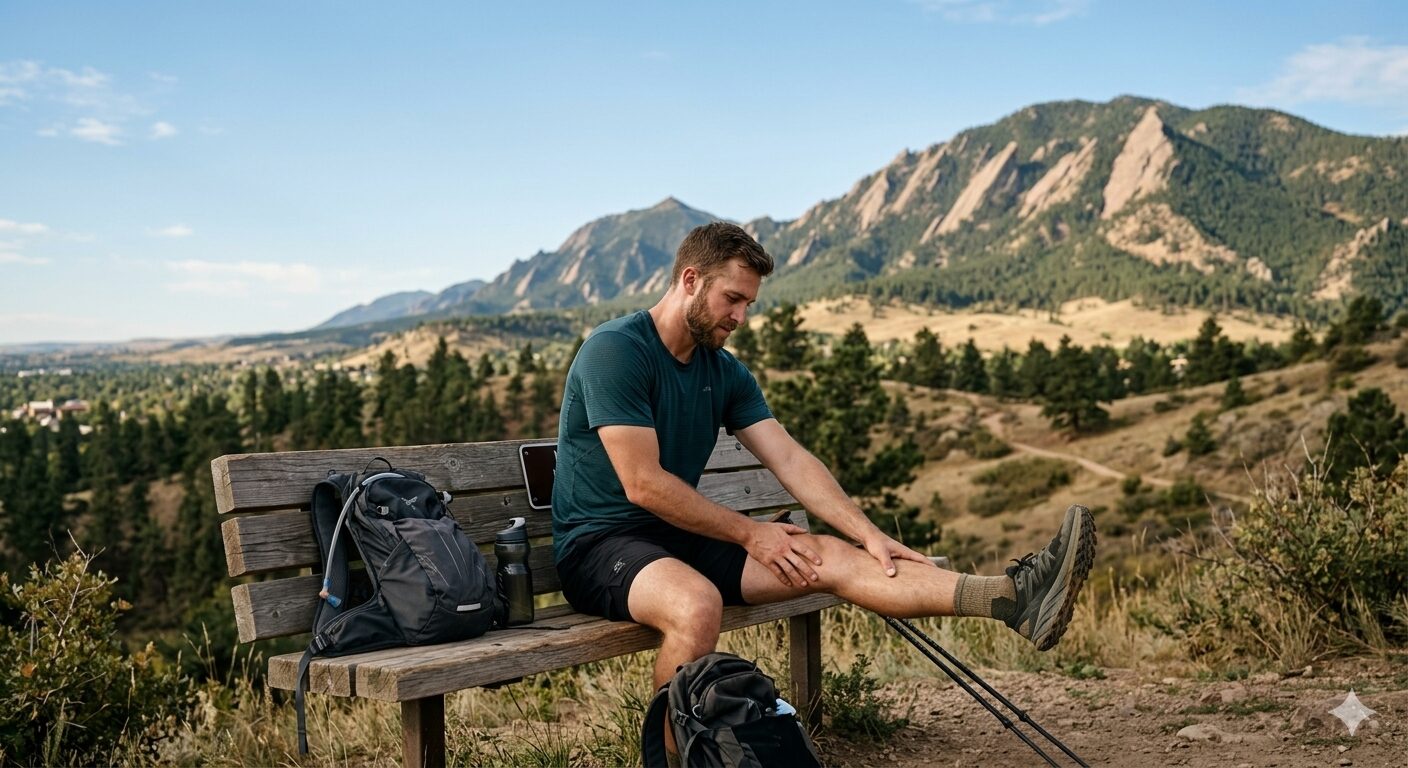
Inflammation is a natural and necessary response that allows the body to begin repairing damaged tissue. When joints, tendons, or ligaments experience stress, the immune

Recovering from an injury can sometimes take longer than expected. A strained tendon, an irritated ligament, or muscle inflammation after intense physical activity can interrupt

Living in Boulder means living in a unique physiological environment. At 5,430 feet above sea level, the body constantly adapts to lower oxygen pressure, increased

Living in Boulder means living at altitude. At 5,430 feet, the body is constantly adapting to lower oxygen availability and higher physiological demand. For many

Boulder Is Not Sea Level, and Your Physiology Knows It Boulder sits at 5,430 feet above sea level. That elevation shapes lifestyle, training culture, and
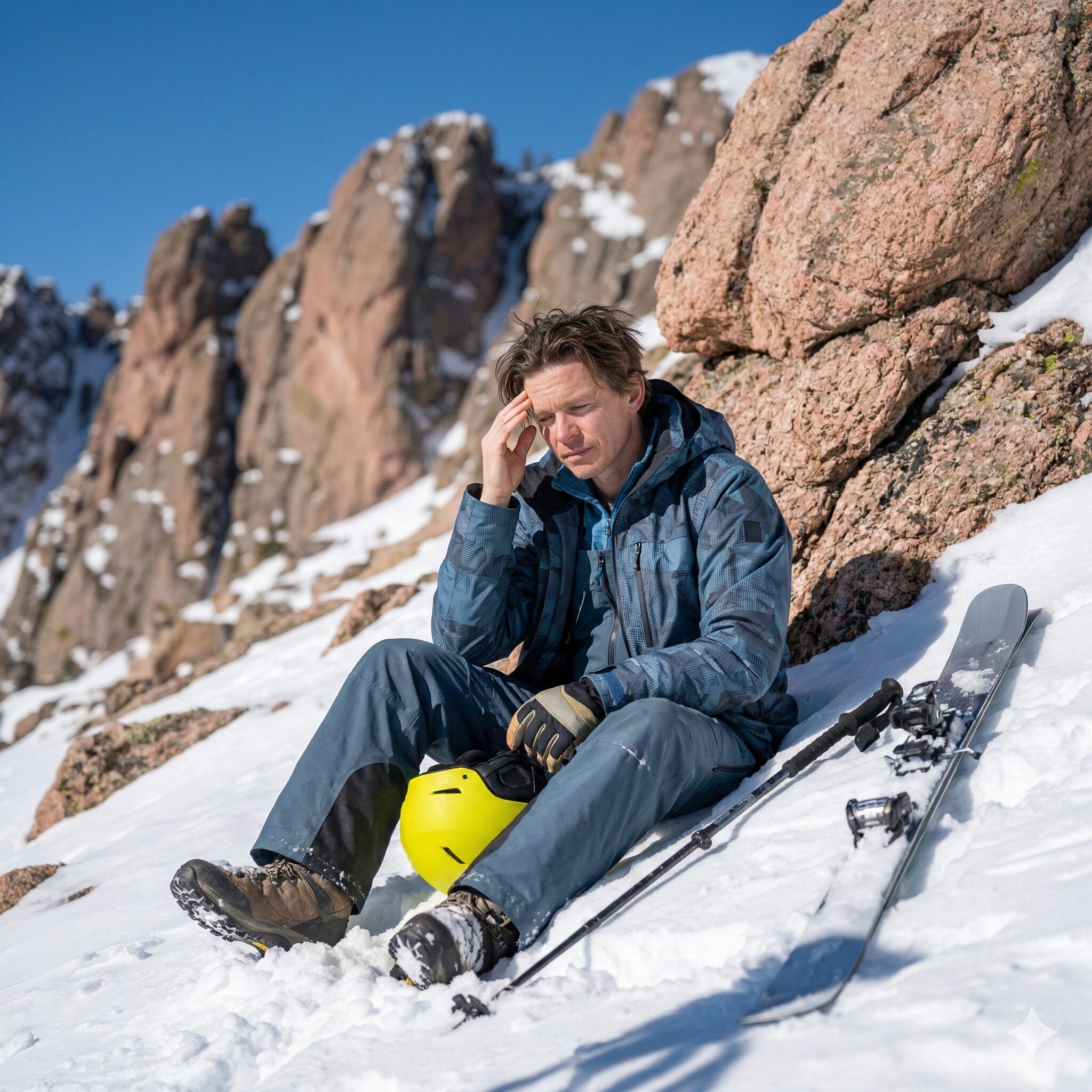
Dehydration relief Boulder searches often increase during winter, even though most people associate dehydration with summer heat. At 5,430 feet above sea level, the physiology

Urgent care vs IV therapy Boulder is not a marketing comparison. It is a clinical decision shaped by altitude, physiology, and symptom severity. At 5,430
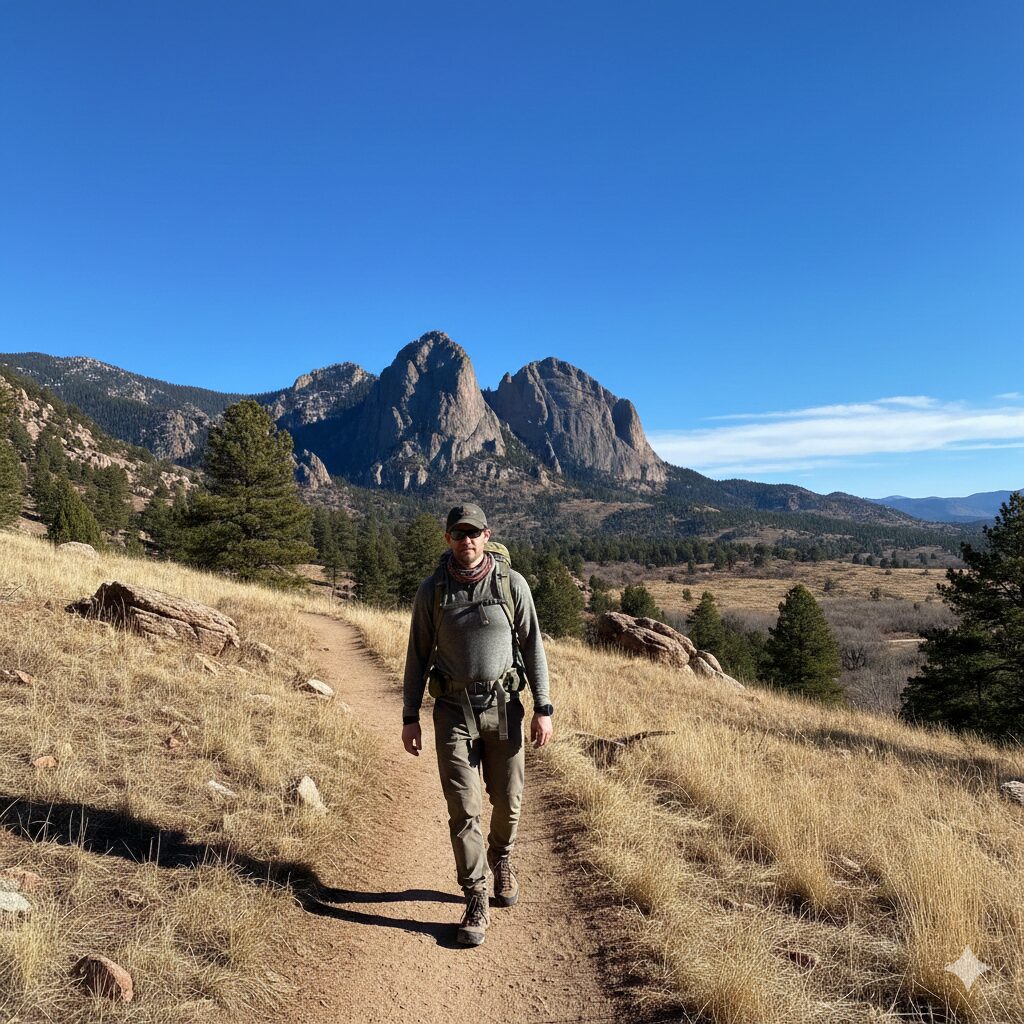
Dehydration relief Boulder residents often search for is frequently linked to a simple but overlooked reality: living at 5,430 feet above sea level changes how

Supportive IV care is often discussed as a way to improve energy, recovery, or overall wellness. Because it delivers fluids and nutrients directly into the

IV therapy for fatigue is often explored when energy feels low and recovery slows down. When daily functioning begins to feel heavier than usual, it

IV therapy has become increasingly visible in conversations about energy, recovery, and overall wellness. It is often presented as a fast way to feel better,

Learning how to choose supportive care can feel overwhelming. Information is widely available, recommendations vary, and different approaches are often presented side by side without

Personalized wellness care is one of the most commonly discussed ideas in modern wellness. Nearly every program, protocol, or service is described as personalized. Nearly